

How does it really feel to have a heart attack? Women survivors answer that question

by Carolyn Thomas   ♥   @HeartSisters

Having a heart attack felt nothing like I thought it would feel.   For one thing, unlike sudden cardiac arrest, in which the heart stops beating and you stop breathing, during my heart attack (myocardial infarction), my heart continued beating, and I was walking, talking and conscious throughout despite horrific symptoms – so how could I possibly be having a heart attack?

Like most women, I’d never really thought about my heart – except maybe when running up that killer Quadra Street hill with my running group. Yet heart disease kills six times more women than breast cancer each year (in fact, it kills more women than all forms of cancer combined).

Women need to know all the potential symptoms of a heart attack – both typical and atypical. And by the way, I’ve stopped using the word “atypical to describe any non-chest pain symptom that women experience during a heart attack, because as paramedic and documentary filmmaker (“A Typical Heart“) Cristina D’Alessandro likes to say: 

“Why are our cardiac symptoms called ‘atypical’ when women are more than half the population?”

I asked some female survivors to share their very first symptoms. Their heart attack stories may surprise you. If you need help translating some of the heart jargon, visit my patient-friendly jargon-free glossary of cardiology terms and abbreviations.

Read their stories

Medical journalism watchdog slams cardiac ‘polypill’ news hype

woman reading hanging around

 by Carolyn Thomas  ♥ @HeartSisters

.

What news headlines around the world said:

“Single Pill Combining Five Heart Drugs Appears Safe.”

What the journalists said:

“Imagine if people at risk of heart disease could take a single pill that would contain all the medications they need to reduce their heart risk.  Such a pill is already a reality and now new research suggests it’s safe and effective.  It’s called a polypill and could soon become a cheap, simple way to prevent both heart disease and stroke.” CTV News

What journalism watchdog Media Doctor Canada said:

 “This story delivers a hyped conclusion on the basis of very poor evidence, yet it calls this a ‘lifesaving’ drug. The published paper and study results reveal that this was a double-blind study that followed patients for only 12 weeks.  How can this drug be called ‘safe and effective’ if it’s taken over many years?

“The concept of mixing different compounds into one pill is very poor medicine. It doesn’t permit physicians to customize the dose for specific patients depending on the patient’s specific risk factors.”   Continue reading “Medical journalism watchdog slams cardiac ‘polypill’ news hype”

Is family stress hurting your heart?

woman stress home

by Carolyn Thomas    @HeartSisters

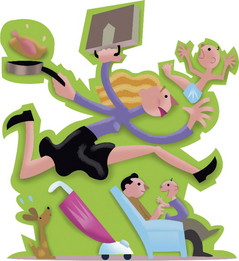
We now know that chronic stress is a very real risk factor in developing heart disease. And stress in the home – where, ironically, we all long to find a safe place to fall – can be the most insidious and difficult to address, especially for families with children still at home, and for women suffering from Type E personalities:  Everything to Everybody”. Sound familiar?  Continue reading “Is family stress hurting your heart?”

How optimism can be good for women’s hearts

woman happy

by Carolyn Thomas @HeartSisters

Good news, my heart sisters: a study published this week in the heart  journal Circulation reports that women with an optimistic outlook on life may live longer and be less likely to develop heart disease than their pessimistic counterparts.

Researchers found that, among more than 97,000 women between the ages of 50 and 79, those with generally optimistic dispositions were 14% less likely to die over eight years than pessimists. They were also over 9% less likely to develop coronary artery disease, and 30% less likely to die of heart complications.

But can you actually change from thinking like a pessimist if that’s your nature?   Continue reading “How optimism can be good for women’s hearts”