Cheap, quick bedside tests better than MRI in diagnosing strokes?

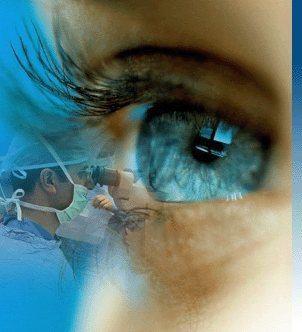
eye test

by Carolyn Thomas

Do you remember as little kids when we liked to spin round and round very fast so that when we stopped, we’d stagger around in a state of delicious dizziness?  As adults, though, feeling dizzy is not fun.  In fact, dizziness is responsible for millions of visits to hospital emergency departments each year.  While most cases are likely caused by benign inner-ear balance problems, about 4% are signals of cardiovascular disease such as stroke or Transient Ischemic Attack (TIA – a condition that often warns of impending stroke in the coming days or weeks).

About half of these dizzy patients who are experiencing strokes show none of the classic stroke symptoms like one-sided weakness, numbness or speech problems.  In fact, some estimates put the number of misdiagnoses as high as one-third, losing the chance for quick and effective stroke treatment.

Just as the rule for getting immediate help during a heart attack is: Time is muscle” – in stroke circles, doctors say: “Time is brain”.   Continue reading “Cheap, quick bedside tests better than MRI in diagnosing strokes?”
The Heart Truth: what’s that little red dress all about?

by Carolyn Thomas     @HeartSisters 

I’ve worked in public relations for decades, and I have to say that, from a PR perspective, those folks over in Breast Cancer are doing a fabulous job of raising awareness about their cause. It’s a world of PINK out there!  Yet the same women who are raising awareness and funds in support of breast cancer research may be unaware that heart disease – not breast cancer – is actually women’s biggest health threat. This year, heart disease will kill six times more women than breast cancer will.  In fact, heart disease will kill more women than all forms of cancer combined.

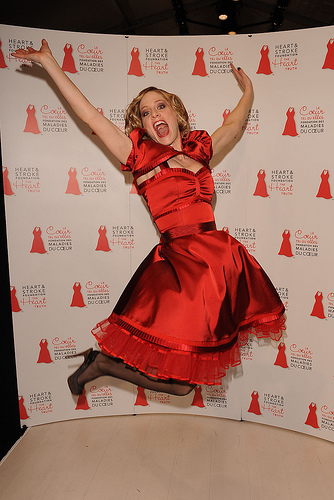
These frightening stats are just one of the reasons Canada’s Heart and Stroke Foundation launched The Heart Truth, a campaign to help fund research about women’s heart disease, and to educate women about the risk factors, symptoms and especially prevention of our #1 health threat.

heart truth logoThe Red Dress is the official symbol of this campaign. As the Heart and Stroke Foundation describes it:  “It’s feminine, strong and confident, capturing the spirit of the cause in a symbol that women across Canada can identify with and feel proud of. The Red Dress represents women’s courage and passion as they raise awareness about our heart health.”

And the inaugural 2008 Heart Truth campaign launch nearly doubled Canadians’ awareness (from 13% to over 23%) that heart disease is the #1 killer of Canadian women. But we still have a long way to go.   Continue reading “The Heart Truth: what’s that little red dress all about?”

After your heart attack: what now?

by Carolyn Thomas  @HeartSisters

Post-heart attack, when my shocked and stunned Victoria Hospice co-workers came to visit me in the Coronary Intensive Care Unit of the hospital where we all worked, I promised them that, although I probably couldn’t come to work the next day, I would certainly be back at my desk by the day after that.  Little did I know at that crazily optimistic and possibly drug-addled moment that there was absolutely zero chance of me actually being able to keep that promise.

In fact, recovery from a cardiac event can take a surprisingly long time, both physically and emotionally – much more than I could have ever predicted.        .         . Continue reading “After your heart attack: what now?”

His and hers heart disease

heart man womanby Carolyn Thomas  @HeartSisters

Should we invent a new name for women’s heart disease? A review on the topic of gender differences in heart disease reminds us what many heart attack survivors already know: when it comes to heart attacks, women are not just small men.

Standard cardiac treatment typically focuses on obstructive coronary artery disease, which up to half of women may not ever experience. In obstructive coronary artery disease, the large blood vessels in the heart can become blocked through atherosclerosis, a condition in which fatty cholesterol streaks build up in the arteries.

In fact, the Framingham Risk Score, based on a study of over 5,000 participants (and their descendents) followed since 1948, is the traditional measure of heart disease risk, yet this scale mistakenly classified almost 90% of women as low risk – which is hard to get your brain wrapped around given that more women than men die each year from heart disease.

But in small vessel disease, the narrowing of the very small arteries in the heart means they can’t expand properly. As a result, your heart muscles don’t get an adequate supply of oxygen-rich blood. This inability to expand is called endothelial dysfunction. This problem may cause your small vessels to become even smaller when you’re active or under emotional stress. The reduced blood flow through the small blood vessels causes chest pain and other debilitating symptoms similar to those you’d have if you were having a heart attack. Continue reading “His and hers heart disease”