Is it a heart attack – or a panic attack?

by Carolyn Thomas  ♥  @HeartSisters

As a heart attack survivor who was misdiagnosed and sent home from the E.R., I now have a keen (maybe obsessive?) interest in women whose cardiac events are being dismissed by doctors. Reports in the New England Journal of Medicine, for example, show that women under age 55 are SEVEN TIMES more likely than men to be misdiagnosed in mid-heart attack and sent home.(1)

But sometimes, people who are utterly convinced that they’re suffering from misdiagnosed heart problems may instead have conditions like panic disorder. In fact, Dr. Mohammed Memon, editor-in-chief at Medscape Reference, cites studies showing that about 40% of patients with panic disorder seek treatment because of frightening chest pain. But how to tell the difference?  Continue reading “Is it a heart attack – or a panic attack?”

How to be a “good” patient

good-1122969_1280

by Carolyn Thomas     @HeartSisters

.
Here’s how to be a “GOOD PATIENT”:

  • Get sick (preferably with a short-term acute ailment).
  • Get an appointment to see your doctor.
  • Get diagnosed.
  • Get a prescription.
  • Get better.
  • Thank your brilliant doctor.

Now, here’s how to be a “DIFFICULT PATIENT”:         .          .    
Continue reading “How to be a “good” patient”

10 non-drug ways to treat situational depression in heart patients

by Carolyn Thomas  ♥    @HeartSisters

I’ve written quite a lot here about my own debilitating experience with depression following my heart attack.(1)   I have since learned that post-heart attack depression is alarmingly common – and alarmingly under-diagnosed – among women survivors. Mayo Clinic cardiologists report that up to 65% of us experience significant symptoms of depression, yet fewer than 10% are appropriately identified.

NYU Women’s Heart Program cardiologist Dr. Nieca Goldberg says women under age 60 are particularly susceptible to depression because a heart attack is such a major psychological trauma, especially when it occurs at a younger age. Studies show, she adds, that depression is an important risk factor for adverse outcomes in cardiac event survivors:

“It’s a life-changing, stressful event. It’s a shocking experience. There are constant concerns among survivors about whether they are going to be able to return to their usual life.”

Continue reading “10 non-drug ways to treat situational depression in heart patients”

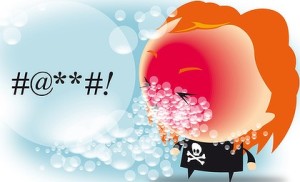
How swearing during a heart attack can ease the pain

by Carolyn Thomas  @HeartSisters

“Swearing can relieve pain – but only if you’re the kind of person who rarely resorts to cursing and swearing in normal life!” That’s the finding of a U.K. study presented at the British Psychological Society’s annual conference last May.

This may be particularly significant for females, a demographic that tends to swear less frequently than our male counterparts in everyday life anyway. Hubbies, in fact, are sometimes utterly shocked to hear their normally sweet-tongued wives let loose during the pain of prolongued childbirth. Ditto for heart attacks.  Continue reading “How swearing during a heart attack can ease the pain”