
Women choose between Mount Everest or the couch

cat couch

For most people, a calendar is just a place to keep track of your dental appointments and dinner parties.  But ever since I was given the Mayo Clinic calendar called The Road To Better Health, I’ve been spending more time reading the tips around the little appointment boxes than actually writing inside the boxes.

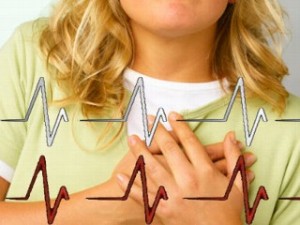
I especially liked the calendar page called “Mount Everest or the Couch”. This section reminds us that reducing our health risks for heart disease is not an all or nothing goal. Yet how many women are ready to head straight to the Häagen-Dazs after falling off the diet wagon, or to stop going to the gym entirely just because they’ve missed a few workouts?  My Mayo Clinic calendar reminds us:

“Your choice of destinations doesn’t have to be climbing Mount Everest or just sitting at home on the couch.”

Continue reading “Women choose between Mount Everest or the couch”

Breast cancer survivors also at increased risk for developing heart disease

heart tattoo

by Carolyn Thomas  @HeartSisters

Although breast cancer survivors usually worry about their long-term risk of recurrence, most of these women should be just as concerned about their hearts, medical researchers reported at a San Francisco oncology conference.

The 10-year risk of a serious cardiovascular event was at least as high as the risk of breast cancer for 78% of women, Dr. Aditya Bardia of Johns Hopkins and colleagues reported at the ASCO Breast Cancer Symposium. 

See also:  When cancer treatment damages your heart

Dr. Rowan Chlebowski of Harbor-UCLA Medical Center in Los Angeles and chair of the session where the results were presented, said this link is a consistent message emerging in breast oncology:

”  Breast cancer patients need more attention to cardiovascular health regardless of their risk level.  We need more interaction with cardiologists.” Continue reading “Breast cancer survivors also at increased risk for developing heart disease”

Lower heart attack risks with the right blood pressure meds – and more

by Carolyn Thomas  

High blood pressure (hypertension) is known as the silent killer because there are essentially no symptoms with this dangerous condition. If you take your medicine, you’ll feel fine. If you don’t take your meds, you’ll feel fine. That’s why up to 50% of us diagnosed with high blood pressure are what doctors call  “non-compliant – meaning we stop taking those prescribed meds.

This may be extremely dangerous, because patients with high blood pressure are at increased risk of stroke, cardiovascular disease and kidney disease. Women with high blood pressure experience a risk of developing heart disease that is more than three times higher than women with normal blood pressure

And if you’re a woman taking birth control pills and are also overweight, you’re especially at risk of developing high blood pressure. The World Health Organization estimates that high blood pressure is the leading risk of death and the second leading risk for disability worldwide. 

The best way to decrease this risk is to control blood pressure. Since the late 1970s, many guidelines recommend beta blockers, medications which lower heart rate and reduce blood pressure, as a first-line therapy against chronic high blood pressure or hypertension. In fact, beta blockers are among the most prescribed drugs in North America for the treatment of high blood pressure.

A recent study, however, suggests that beta blockers may not be as effective as first believed. But the surprising results suggest that no matter which medication you take, there is a better way to lower that blood pressure. Continue reading “Lower heart attack risks with the right blood pressure meds – and more”

A heart patient’s guide to the three stages of chronic stress

gas gauge emptyby Carolyn Thomas    @HeartSisters

McGill University’s Centre for Studies on Human Stress at L’Hôpital Louis H. Lafontaine in Montréal is a remarkably helpful resource for those of you who are so chronically stressed day to day that you might be convincing yourself that this state of being is “normal”.

Anybody who has undergone ongoing chaos in the workplace, a family health crisis, a divorce, a death in the family, serious financial worries, too many deadlines, and many other realities can recognize the symptoms of chronic stress – but did you know that this low-grade stress is extremely damaging to our hearts?

In fact, the World Health Organization has predicted that stress-related disorders like heart disease and depression will soon be the top two leading causes of disability in adults. According to the Centre for Studies On Human Stress, there are three distinct stages of chronic stress.  See if any of these feel familiar:  Continue reading “A heart patient’s guide to the three stages of chronic stress”