A patient’s dilemma: to cry or not to cry

by Carolyn Thomas  ♥ Heart Sisters (on Blue Sky)

Crying is a natural and effective way to relieve stress by releasing stress hormones like cortisol, triggering feel-good endorphins and oxytocin, activating the body’s calming parasympathetic nervous system, and helping to restore emotional balance, leading to a sense of relief and improved mood. It acts as a safety valve for overwhelming emotions, helping you process difficult feelings rather than bottling them up, which can be detrimental to your health.  (Cleveland Clinic Health Library) 

I was relieved to learn about all those health benefits of crying, because I’d just spent an entire appointment at the Urgent Care Clinic, silently weeping uncontrollably.

But I wasn’t crying that evening because I was scared or in pain. – continue to page 2 (below):
Caring neglect: behaviours that lead us to believe our healthcare professionals don’t care

by Carolyn Thomas     ♥    Heart Sisters (on Blue Sky) 

A few years after I survived a misdiagnosed heart attack in 2008, I read a U.K. study focused on what researchers at the Institute of Social Psychology at the London School of Economics call Patient Neglect.(1)  This healthcare phenomenon includes both Procedural Neglect (“failing to achieve the objective standards of patient care”) and Caring Neglect (“behaviours that lead patients and observers to believe that staff have uncaring attitudes.”) Continue reading “Caring neglect: behaviours that lead us to believe our healthcare professionals don’t care”

Pick one: non-human AI – or a real person?

by Carolyn Thomas     ♥    Heart Sisters (on Blue Sky)

In 2008, I joined INSPIRE’S WomenHeart Online Support Community for Women with Heart Disease.  In those early days as a new survivor of what doctors call the “widow-maker”  heart attack, I was drawn to compelling narratives from other patients with lived experience similar to mine. Our group was both a safe place to vent when feeling bad, and an opportunity to lend comfort to others during their scary setbacks. It wasn’t long before I made browsing group discussions a daily early-morning habit. And one day I asked our group members  this basic question: “Has anybody here been misdiagnosed in mid-heart attack?” Continue reading “Pick one: non-human AI – or a real person?”

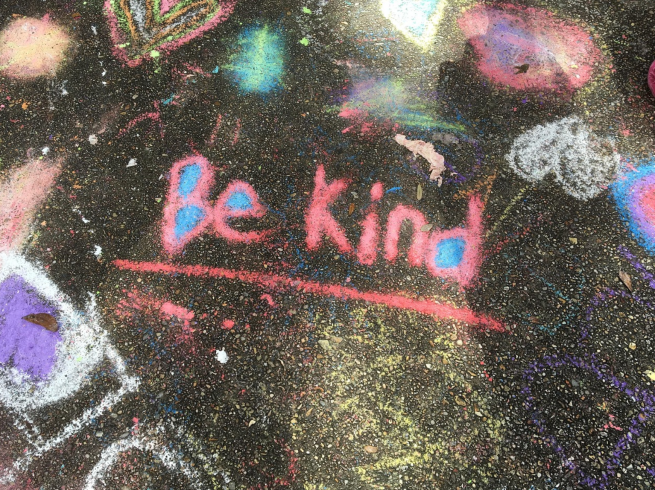
Small kindness – big impact

by Carolyn Thomas    ♥   Heart Sisters (on Blue Sky) 

A study published by Swiss researchers suggests that a culture of kindness in health care has a positive impact on healthcare organizations, healthcare staff, and – best of all! –  patients.(1)  If we’re very lucky, many of us already know those benefits because of our lived experience with kind healthcare professionals. One of my own favourite examples of a small kindness that left a huge impression was the cardiac nurse who trotted alongside my hospital gurney – from the Emergency Department to the elevator taking us up to the cardiac cath lab during my 2008 heart attack – with her hand gently resting on my shoulder all the way. She assured me: “You’re in the right place now. We’re going to take good care of you.”  If only every hospital patient was greeted that way. Continue reading “Small kindness – big impact”