In praise of the afternoon nap

cat nap green red

by Carolyn Thomas    @HeartSisters

I have learned a valuable skill since my heart attack.  I have learned how to take naps.

Because I’ve never been able to nap until now, I used to be envious of my son, Ben, who is a world-class napper.  That boy started sleeping 11 hours a night by the age of five weeks, and has been looking for opportunities to snooze ever since: anywhere, any time, sitting up, lying down, on the plane, or (his favourite) stretched out on the couch after Sunday brunch.

Ben has been on the right track all along, according to scientists reporting in the Journal of Applied Physiology.(1)  Their report on the cardiovascular benefits of the afternoon nap suggests that a siesta habit is associated with a remarkable 37% reduction in coronary disease mortality, possibly because of reduced cardiovascular stress associated with daytime sleep. Apparently, the initial period of time between lights out and sleep onset is associated with the largest acute reduction in blood pressure during afternoon siestas.

Like most mammals, humans experience two periods of what sleep scientists call ‘forceful, persuasive sleepiness’: around 2-4 am and then again at 1-3 pm. An afternoon nap, like the tradtional siestas of warm-weather countries, allows you to grab some of the benefits of the sleep cycle without committing to a full eight hours.


Continue reading “In praise of the afternoon nap”

Forget Type A: a woman’s heart disease risk is higher for Type D personalities

woman sunglasses angry

by Carolyn Thomas  @HeartSisters

According to the Harvard Heart Letter, if you are the kind of person who . . .

  • tends to sweat the small stuff
  • sees the glass as half empty
  • keeps your feelings bottled up inside

… then you might well be termed a Type D (distressed or distant) personality, and be at increased risk for heart disease.

Type D people tend to be anxious, irritable, and insecure. They keep an eye out for trouble rather than pleasure. They may experience high levels of stress, anger, worry, hostility, tension, rudeness and other negative and distressing emotions. Even if they lack a strong support network of friends or family, they go to great lengths to avoid saying or doing things that others don’t like. As a result of biting their tongues to keep their negativity to themselves, they often feel tense and inhibited around other people.

Does this sound like it might be you?
Continue reading “Forget Type A: a woman’s heart disease risk is higher for Type D personalities”

Even heart patients can learn to be optimists

3108843349_c751a90b7f

by Carolyn Thomas  @HeartSisters

I’ve been ruminating (something that female heart patients apparently tend to do when feeling depressed) about the writing of Dr. Martin Seligman, professor of psychology at the University of Pennsylvania and author of the excellent book, Learned Optimism. He writes:

“Optimism is not about ignoring what’s real, but becoming aware of your thoughts about why things happen.”

What’s really at the heart of optimism, Dr. Seligman adds, is how you explain negative experiences to yourself. When something bad happens to a pessimist, she’s likely to get into a sort of dark and hopeless mental muttering that has her thinking things like:

“Why me? Ain’t it awful? It’s permanent and everything is ruined and it’s all their fault.” Continue reading “Even heart patients can learn to be optimists”

Women’s waist size predictive of heart disease

by Carolyn Thomas    @HeartSisters

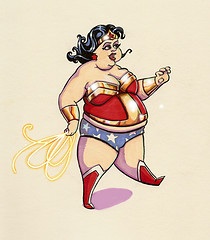
When you stand naked in front of your full-length mirror, do you see one of those pear-shaped bodies, with weight accumulating around your hips and thighs?  Or perhaps you see an apple-shaped body, in which most of your excess weight settles around your waistline?  (If you see a tall, lithe Wonder Woman/supermodel-shaped body staring back at you in your mirror, you can just stop reading…)  

Turns out that the apple-shaped body type may be the most dangerous for your heart health.  According to Mayo Clinic cardiologists, there are two kinds of abdominal fat deposits that we need to worry about.
Continue reading “Women’s waist size predictive of heart disease”