
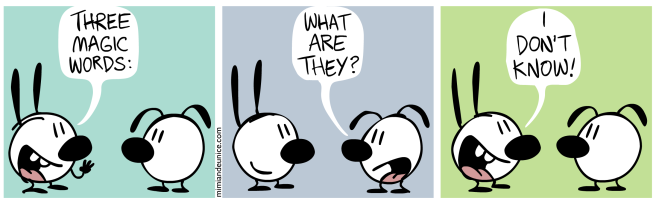
When doctors can’t say: “I don’t know”

Mimi and Euniceby Carolyn Thomas     @HeartSisters

Pity the poor Emergency Department physician who first studied the results of my cardiac diagnostic tests. Despite my textbook heart attack symptoms of central chest pain, nausea, sweating and pain radiating down my left arm, all of my test results that day appeared to be “normal”. So instead of admitting this puzzling discrepancy, the doc seized upon an alternative hypothesis as he pronounced confidently to me:

“You are in the right demographic for acid reflux!”

I was sent home from hospital that morning (feeling very embarrassed about having made a fuss over nothing) with his directions to make a follow-up appointment with my family physician to get a prescription for antacid drugs (to treat what turned out to be a misdiagnosis of indigestion).

Part of the problem with this scenario is the reluctance of some physicians to admit that they just do not know. Continue reading “When doctors can’t say: “I don’t know””

Medical jargon: do you need a translator?

.

by Carolyn Thomas  @HeartSisters

I just love this. Which is to say I don’t love it at all – you need to imagine the snark in my voice if I were actually saying that out loud to you. What I don’t love at all is this example of a real life physician (a cardiac surgeon in Indiana) who is answering a patient’s online question on the website called HealthTap (a site that appears at first blush to be about medical Q&A, but is actually more like a matchmaking service between doctor-shopping patients and the doctors who want to woo them).  Continue reading “Medical jargon: do you need a translator?”

Unconscious bias: why women don’t get the same care men do

by Carolyn Thomas    @HeartSisters

To the surprise of absolutely no women who have ever been misdiagnosed in mid-heart attack as I was, Dr. Mary O’Connor, claims:

Women do not always receive the same medical care as men.”

Continue reading “Unconscious bias: why women don’t get the same care men do”

News flash: care improves when doctors consider the whole person

by Carolyn Thomas  @HeartSisters

When I worked in hospice palliative care, I remember being gobsmacked one day while reading in a medical journal about Dr. Harvey Chochinov’s research on Dignity Therapy out of the Manitoba Palliative Care Research Unit.(1) His studies determined that – wait for it! – patients feel better when their doctors listen to them. This of course sounds like a no-brainer until it hits you upside the head that, apparently, not all doctors know this fact to be true unless it’s published in a peer-reviewed journal.

Is it actually possible, I wondered at the time, that doctors thumbing through journals madly take notes when they discover a surprisingly shocking news flash like this?

Recently, I ran across yet another fine example of the bleedin’ obvious that makes me crazy-go-nuts, as my Ukrainian relatives would say. Continue reading “News flash: care improves when doctors consider the whole person”