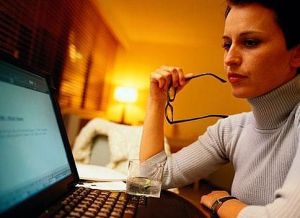

Could ‘goodism’ and self-sacrifice be linked to women’s heart disease outcomes?

by Carolyn Thomas  @HeartSisters

These days, whenever I tell my audiences about the hours leading up to my hospitalization for a heart attack last year, I ask them to guess what I would have done had those horrific cardiac symptoms been happening to my daughter (or my next-door neighbour, or even a perfect stranger) during that endless cross-country flight back home to the West Coast. Would I have patted her grim, sweaty face and whispered:

“Just try to hang on, honey. We’ll be home in nine hours…”

.

No, my Heart Sisters, I would have been screaming bloody murder for the Air Canada crew to get help immediately, even if it meant turning the damned plane around.  But since these attacks were happening to me, and not to somebody else, I chose instead the unwise and potentially fatal option of just slinking down in my seat, very still, hour after hour, trying not to die. Continue reading “Could ‘goodism’ and self-sacrifice be linked to women’s heart disease outcomes?”
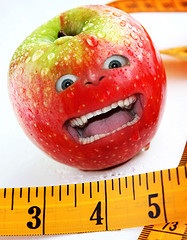
Finally! The truth about what causes women’s heart attacks!

food diet apple

by Carolyn Thomas     @HeartSisters

Finally, scientists have definitive numbers proving the clear link between our diet and heart attacks.  It’s a relief to know the truth after all those conflicting nutritional studies.

1. Japanese eat very little fat and suffer fewer heart attacks than North Americans do.

2. Mexicans eat a lot of fat and suffer fewer heart attacks than their North American counterparts.

3. Chinese drink very little red wine and suffer fewer heart attacks than North Americans.

4. Italians drink a lot of red wine and suffer fewer heart attacks than North Americans.

5. Germans drink a lot of beer and eat lots of sausages and fats, and suffer fewer heart attacks than North Americans.

CONCLUSION:

Eat and drink what you like. Speaking English is apparently what kills you.

I laughed out loud when I first heard this, but it also, sadly, reinforces for me the dilemma of interpreting all cardiac research. Continue reading “Finally! The truth about what causes women’s heart attacks!”

Medical ghostwriting scandal: doctors sign their names to drug company marketing lies

I had to go have a little lie-down after I read the The New York Times story this week about the scandalous practice of medical ghostwriting. Here’s how Danish researcher Dr. Peter Gøtzsche describes medical ghostwriting: “Ghostwriting occurs when someone makes substantial contributions to a manuscript without attribution or disclosure. It is considered bad publication practice in the medical sciences, and some argue it is scientific misconduct. At its extreme, medical ghostwriting involves pharmaceutical companies hiring professional writers to produce papers promoting their products –  but hiding those contributions and instead naming academic physicians or scientists as the authors.

Here’s an extreme example of extreme medical ghostwriting. The New York Times has outlined recent court documents revealing that ghostwriters paid by drug giant Wyeth Pharmaceuticals played a major role in producing 26 scientific papers published in medical journals that backed the use of hormone replacement therapy in women. That supposed medical consensus benefited Wyeth directly, as sales of its HRT drugs Premarin and Prempro soared to nearly $2 billion by 2001.

Continue reading “Medical ghostwriting scandal: doctors sign their names to drug company marketing lies”

What doctors really think about women who are ‘Medical Googlers’

by Carolyn Thomas      @HeartSisters

Me: “My name is Carolyn, and I’m a Medical Googler.”

You, all together now: “Hello, Carolyn!”

This will come as no surprise to any of you regular readers, but I’m just a wee bit obsessed about All Things Cardiac. From the very minute I was sent home from hospital after surviving a heart attack, I started mainlining Google like it was a drug. I became hooked. I threw myself into researching women’s heart disease in a determined attempt to figure out what the heck had just hit me. And after I had the opportunity to spend five days at Mayo Clinic in October, I became truly insufferable. Continue reading “What doctors really think about women who are ‘Medical Googlers’”