How a woman’s heart is different from a man’s

by Carolyn Thomas     @HeartSisters

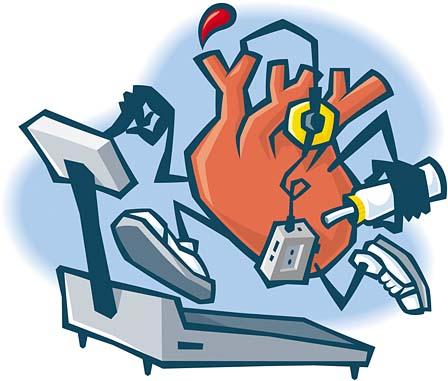
In many ways, the fact that my cardiac treadmill stress test results appeared “normal” was not a surprise, despite my textbook heart attack symptoms of crushing chest pain, nausea, sweating and pain radiating down my left arm. What we now know is that single-vessel heart disease, which is more common in women than in men, may be less likely to be picked up at all on a treadmill test.

Even though my left anterior descending coronary artery was 95% blocked, this didn’t show up. Similarly, for other women non-obstructive heart disease (again, more common in women) is harder to identify given our existing diagnostics. Women are more likely to suffer from coronary microvascular disease affecting the smallest blood vessels of the heart. And spasm conditions like Prinzmetal’s variant angina are difficult to catch at the best of times, but women can be just as dead after a heart attack caused by undiagnosed Prinzmetal’s as they would be due to fully-occluded coronary arteries.   Continue reading “How a woman’s heart is different from a man’s”

Cats or dogs: which pet is better for your heart health?

by Carolyn Thomas  @HeartSisters

I adopted my little Lily*, world’s cutest and most affectionate feline, three months after my heart attack. My daughter Larissa, who helped us pick out Lily at the shelter, gave me strict instructions about the kind of cat needed for cardiac recovery: a calm and snuggly lap cat (quite unlike the psycho-special needs-high-anxiety – yet adorable – Lucy who had been my last pet).

About 38% of Canadian households now include a cat like Lily, while 35% of us are dog owners.

But apparently, owning a cat may also reduce your risk of cardiovascular disease by nearly one-third, researchers told delegates to the International Stroke Conference recently. Their study findings provoked a mixed reaction from heart experts and veterinarians.  And probably dog lovers, too.   Continue reading “Cats or dogs: which pet is better for your heart health?”

Long distance running: safe for women’s hearts?


by Carolyn Thomas   ♥  @HeartSisters

Eighteen years ago, when my YWCA running group completed our very first Half-Marathon event, we all crossed the finish line together holding hands. And weeping. Tear-streaked race number bibs are how you can spot first-time distance racers.

There was interesting news for distance runners last month from the European Society of Cardiology meetings in Stockholm: distance runners appear to develop some transient heart changes during races, but overall these activities don’t seem to mean long-term cardiac harm for the vast majority of runners.

But there do seem to be some gender differences in heart changes, particularly among black women.   Continue reading “Long distance running: safe for women’s hearts?”

My love-hate relationship with my little black box

by Carolyn Thomas    @HeartSisters

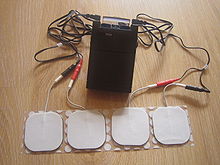
Every morning, I clip it onto my belt, or tuck it into a hip pocket.  I very carefully attach its sticky little electrode pads onto the skin just over my heart, tucking their long black wires under my clothing. Lately, I also have to hold the electrodes in place on my skin with surgical tape because they’re starting to lose their stickiness after so much daily wear. I turn on the black box at my waist, and adjust its two knobs to the correct power levels. I feel a prickly little buzz pulsating across my chest.

It’s called Transcutaneous Electrical Nerve Stimulation (TENS), and it involves electrical impulses called neuromodulation to treat the chest pain (angina) of Inoperable Coronary Microvascular Disease (MVD) – a disorder of the smallest of the coronary arteries (too small to stent, too small to bypass).

My portable TENS unit is about the size of an average cell phone. You may know the much larger version of this machine if you’ve ever had physiotherapy treatments following a muscle injury.  The only wounded muscle it’s working on for me now, however, are those in my heart. Emerging cardiac research is showing that, just as the TENS machine works on improving blood flow, reducing inflammation and speeding up healing for an injured shoulder or knee, it may bring the same benefits to heart patients with MVD like mine.

But I do have a love-hate relationship with my little black box.  Continue reading “My love-hate relationship with my little black box”