

His and hers heart disease

heart man womanby Carolyn Thomas  @HeartSisters

Should we invent a new name for women’s heart disease? A review on the topic of gender differences in heart disease reminds us what many heart attack survivors already know: when it comes to heart attacks, women are not just small men.

Standard cardiac treatment typically focuses on obstructive coronary artery disease, which up to half of women may not ever experience. In obstructive coronary artery disease, the large blood vessels in the heart can become blocked through atherosclerosis, a condition in which fatty cholesterol streaks build up in the arteries.

In fact, the Framingham Risk Score, based on a study of over 5,000 participants (and their descendents) followed since 1948, is the traditional measure of heart disease risk, yet this scale mistakenly classified almost 90% of women as low risk – which is hard to get your brain wrapped around given that more women than men die each year from heart disease.

But in small vessel disease, the narrowing of the very small arteries in the heart means they can’t expand properly. As a result, your heart muscles don’t get an adequate supply of oxygen-rich blood. This inability to expand is called endothelial dysfunction. This problem may cause your small vessels to become even smaller when you’re active or under emotional stress. The reduced blood flow through the small blood vessels causes chest pain and other debilitating symptoms similar to those you’d have if you were having a heart attack. Continue reading “His and hers heart disease”
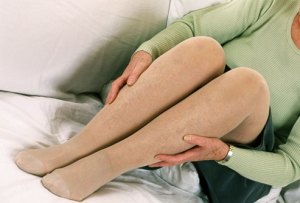
Women under-diagnosed for Peripheral Artery Disease

woman legs pain

by Carolyn Thomas  @HeartSisters

September is Peripheral Artery Disease Awareness Month, as I’m sure you have already noted on your calendar.  But in case you haven’t yet made celebratory plans for the occasion, you should know that people with PAD are at greater risk for heart attack, stroke, or if not appropriately treated in time, even amputation of limbs.

Awareness, however, among both the general public and family physicians about diagnosis, treatment, and prevention of this cardiovascular disease is extremely low. It’s therefore a good thing that September is finally here so we can address this.
Continue reading “Women under-diagnosed for Peripheral Artery Disease”

Biology or bias? Women twice as likely to die after heart attack

woman heart tattoo Image.0.0.1

The CBC (our Canadian Broadcasting Corporation) did a report this week about women and heart disease that included an interview with Dr. Beth Abramson, a Toronto cardiologist and spokesperson for the Heart and Stroke Foundation.  She was responding to results of a new study reported in the Journal of the American Medical Association that suggests women are almost twice as likely to die within 30 days of a heart attack compared with men. Dr. Abramson said:

“It’s sometimes hard to sort out if there is a difference in biology between men and women, or if there is a gender bias.

The study’s lead author, Dr. Jeffrey Berger of New York University Medical Center, votes for biology.   Continue reading “Biology or bias? Women twice as likely to die after heart attack”

What doctors really think about women who are ‘Medical Googlers’

by Carolyn Thomas      @HeartSisters

Me: “My name is Carolyn, and I’m a Medical Googler.”

You, all together now: “Hello, Carolyn!”

This will come as no surprise to any of you regular readers, but I’m just a wee bit obsessed about All Things Cardiac. From the very minute I was sent home from hospital after surviving a heart attack, I started mainlining Google like it was a drug. I became hooked. I threw myself into researching women’s heart disease in a determined attempt to figure out what the heck had just hit me. And after I had the opportunity to spend five days at Mayo Clinic in October, I became truly insufferable. Continue reading “What doctors really think about women who are ‘Medical Googlers’”