
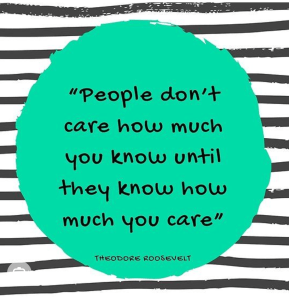
by Carolyn Thomas ♥ @HeartSisters
In 2015, New York Times columnist David Brooks wrote about virtues in his column called “The Moral Bucket List”. But he was actually writing about two different sets of virtues: our résumé virtues and our eulogy virtues.
The résumé virtues are what you do: the workplace skills you’d talk about when job-hunting. The eulogy virtues are who you are: what people will say about you at your funeral — whether you were kind, brave, generous, funny, honest, trustworthy, etc. Both types of virtues are important and worth pursuing, but as David reminds us, only eulogy virtues have lasting value and legacy. But depending on who’s doing the asking, it seems those résumé virtues appear to be far more important to certain people. . Continue reading “It’s not what you do. It’s who you are.”
 by
by  I was late in discovering the writing of Ed Yong. The British-American journalist had already been a staff writer at The Atlantic for six years before I first read one of his articles, but it was his rare ability to make the most complex science make sense which convinced me to start reading everything he wrote. Here’s how Ed’s own editors
  Heart Sisters