When you know more than your doctors about your diagnosis

by Carolyn Thomas   @HeartSisters

One of my blog readers needlessly suffered debilitating cardiac symptoms for a number of years before she was finally correctly diagnosed (thanks to a second opinion) with coronary microvascular disease (MVD). During those years, she’d read everything she could get her hands on in a desperate effort to solve this mystery. But when she asked her own physician if MVD might be the culprit, he dismissed this diagnostic possibility, adding that he “didn’t believe” in coronary microvascular disease.

Didn’t believe in it?!

Please note, darling readers, that we’re not talking about the Tooth Fairy here.

We’re talking about a woman living with a cardiac condition that’s been well-studied (as in, peer-reviewed studies done by respected heart researchers and published in actual real-life medical journals).

Continue reading “When you know more than your doctors about your diagnosis”

“I’m just not a pill person” – and other annoying excuses

drugs hands

by Carolyn Thomas    @HeartSisters

Dr. Lisa Rosenbaum writes in the New England Journal of Medicine about a friend who is worried about her father since two of his sisters have recently died following strokes.  She asks her friend:

“Is he on aspirin?”

“Oh, heavens, no,” the friend replies. “My parents are totally against taking any medications.”

“But why?”

“They don’t believe in them.”

Curious about what she calls this instinctive non-belief, a commonly observed reluctance to take the medications their physicians recommend (aka non-compliance or the slightly less patronizing non-adherence), Dr. Rosenbaum wanted to understand how patients feel about taking cardiac medications. The consequences of not taking one’s meds can be deadly, yet almost half of all heart patients are famously reluctant to do so.(1)   Dr. Rosenbaum, a cardiologist at Boston’s Brigham and Women’s Hospital, wondered: Are there emotional barriers? Where do they come from? Can we find better ways of increasing medication adherence if we understand these barriers?*

So she interviewed patients who’d had a myocardial infarction (heart attack) – first at the time of the initial cardiac event, and again months later.  Their answers fell into five distinct themes that might be surprising to doctors feeling frustrated by their non-compliant patients. Continue reading ““I’m just not a pill person” – and other annoying excuses”

Do we need to change the name of cardiac rehab?

by Carolyn Thomas    @HeartSisters

Once discharged from hospital following my heart attack, I was gobsmacked by how physically frail I felt. Simply taking a shower meant a 20-minute lie down to recover. Just walking to the corner with my son, Ben, required me to clutch his arm for support. But it wasn’t only this new weakness that alarmed me. As a former distance runner, I felt suddenly afraid of any exertion that might bring on the horrific heart attack symptoms I’d so recently endured. That’s where cardiac rehabilitation (a 2-4 month supervised exercise and education program for heart patients) literally saved me. Continue reading “Do we need to change the name of cardiac rehab?”

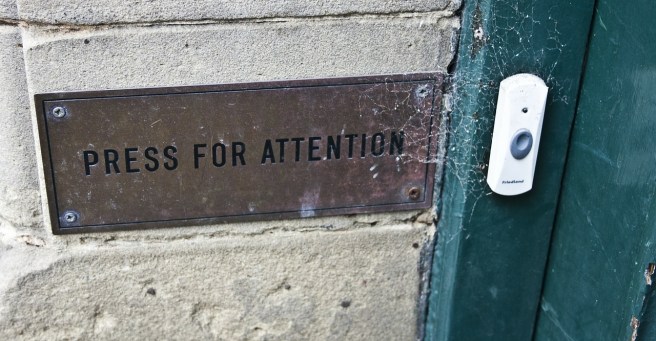
“I rang the bell again. No one came.”

by Carolyn Thomas    @HeartSisters

There are a number of issues that leaped out at me about the hospital story you’re about to read.  Let’s see how many of them you observe, too – and how many could have been prevented.  This story is told by Ann, an Australian heart patient whose cardiac journey began in 2007 when she was 51 years old. But over the years since then, she has continued to suffer debilitating cardiac symptoms almost every day.

Her symptoms include not just chest pain, but pain throughout her upper back, jaw, shoulder, neck or arm, occasionally with severe shortness of breath. Despite taking a fistful of daily heart meds and wearing a nitro patch to help manage pain, Ann is rarely able to sleep through an entire night without being awoken by these symptoms. And here’s why . . .
Continue reading ““I rang the bell again. No one came.””