
Is heart “FAILURE” out? And heart “FUNCTION” in?

by Carolyn Thomas   ♥   @HeartSisters   

Recently, I was thrilled to read that New York cardiologist Dr. Anu Lala-Trindade had asked her audience at a heart failure conference in Cleveland why physicians were still using the word “FAILURE” to describe this condition.  As she smartly pointed out to her colleagues, pulmonologists who specialize in treating lung problems are not called “lung failure doctors”. Podiatrists who specialize in foot problems aren’t “foot failure doctors”. You get the drift.  Yet every day, cardiologists (mostly in North America) are still telling their patients out loud that their hearts are “FAILING” – as if they aren’t actually paying attention to the words they’re using.       .   Continue reading “Is heart “FAILURE” out? And heart “FUNCTION” in?”

Dear Carolyn: “Two sisters, one ‘heart-charged’ cardiac diagnosis”

by Carolyn Thomas   ♥  @HeartSisters

.            .Bethany (left) and Hannah Keime (right)

As part of our occasional “Dear Carolyn” series of personal patient perspectives shared by my readers, today I’m introducing you to the 13th of our series: two young Florida women, Bethany and Hannah Keime, sisters diagnosed four days apart with a serious cardiac condition called hypertrophic cardiomyopathy (HCM).  As described by Mayo Clinic cardiologists, HCM is defined as a heart muscle that becomes thickened, making it harder for the heart to pump blood.

Some people with HCM have few if any warning symptoms, while others may experience palpitations, shortness of breath, fainting or chest pain (especially during exercise) or changes in the heart’s electrical function. Those changes can result in dangerous irregular heart rhythms or sudden death. Because HCM is usually genetic (but not always – Mayo Clinic suggests that “not everyone with HCM has a currently detectable gene mutation”), people with one parent diagnosed with HCM have a 50% chance of having the genetic mutation. Parents, children or siblings of anybody diagnosed with hypertrophic cardiomyopathy should ask their doctor about screening for this disease. Here’s how the Keime sisters individually explained their shared diagnosis: Continue reading “Dear Carolyn: “Two sisters, one ‘heart-charged’ cardiac diagnosis””

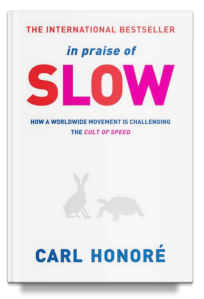
In praise of slow in a speeded-up life

by Carolyn Thomas  ♥ @HeartSisters

Many years ago, when I worked in corporate public relations, I was on a plane at least two mornings a week, flying off to Very Important Meetings with Very Important People to discuss their Very Important Projects. At the Vancouver airport bookshop one day, I picked up what I thought would be just the perfect thing for somebody as busy as I was: an audiobook of one of those ‘Ten Best Business Books Condensed’.  What a great idea!  I could save time cramming the Ten Best Business Books into my overstuffed brain while driving out to the airport and back! 
But something hit me – a “Eureka!” moment, somewhere between Total Quality Management and Seven Habits:

“This is exactly what’s wrong with my life!” 

Continue reading “In praise of slow in a speeded-up life”

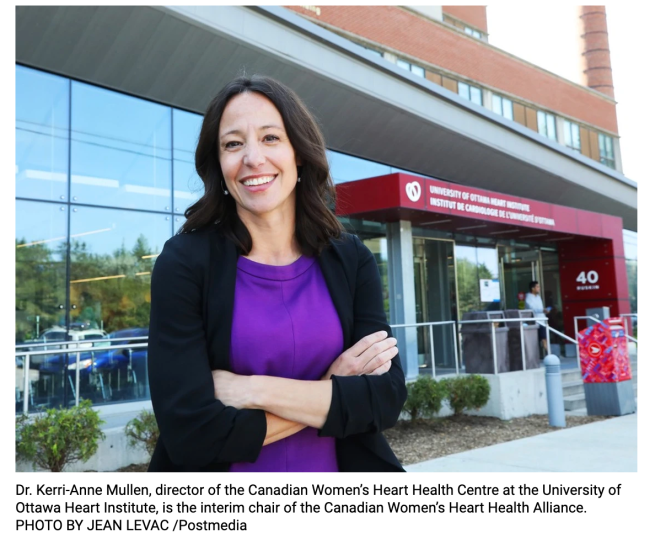
Will this $840,000 grant make a dent in women’s cardiac care?

by Carolyn Thomas    ♥  @HeartSisters

In an article published this week in the Ottawa Citizen, we learned some encouraging predictions about the future of women’s cardiac care here in Canada – and beyond.  Award-winning health/science journalist Elizabeth Payne explained the news in her August 30th article called New Ottawa-Based Initiative Aims to Close Heart Health Gender Gap“.  In case you missed it, here’s what she wrote: (The NOTES below in italics are my own questions and comments):

Elizabeth Payne (EP):  “Years after researchers, health professionals and advocates began working to reduce it, the gender gap in women’s heart health persists. Heart disease is the leading cause of death for women, but their cardiovascular symptoms are still not always recognized and women’s heart attacks continue to get missed.”   Continue reading “Will this $840,000 grant make a dent in women’s cardiac care?”