
 by
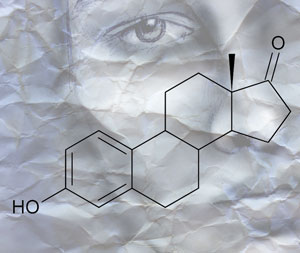
by We know that women’s heart disease rates seem to take a big jump as we get older. For decades, early studies have reported, for example, that our post-menopausal cardiac event incidence rates are more than double those in pre-menopausal years.* And even more recent studies seem to target menopause as the likely culprit in explaining these stats; women who go into early menopause (before their 46th birthday) are twice as likely to suffer from coronary heart disease and stroke, according to Johns Hopkins-led research published in the October issue of the journal Menopause.**
So imagine the fuss when Vancouver’s Dr. Jerilynn Prior, a professor of Endocrinology and Metabolism at the University of British Columbia and also scientific director of the Centre for Menstrual Cycle and Ovulation Research, declared:
“It is a myth that estrogen deficiency associated with menopause causes heart disease in women.”
Here’s how she further elaborated this claim in an article about women’s risks for cardiovascular disease: Continue reading “The myth of the menopause link”

 With rare exception (like the woman I witnessed at the Minneapolis airport pouring Coca-Cola into her child’s baby bottle), most thinking adults already know perfectly well what’s good and bad for our bodies. Yet we continue to smoke, eat too much (of the wrong foods) and exercise too little. A recent study suggests that instead of swamping us with health reminders to eat better and exercise more, public health initiatives should actually try targeting the knee-jerk behaviours that are making us fatter and sicker.*
 According to
  Heart Sisters