
by Carolyn Thomas ♥ @HeartSisters 
I don’t remember much of what happened during that fateful visit to the Emergency Department. I remember the on-call cardiologist saying something to me about my “significant heart disease”. After hearing those words, I felt so stunned that – although I could see his lips moving and could hear sounds coming out of his mouth – he may as well have been speaking Swahili. (Doctors, please remember this in the future when delivering life-altering diagnoses to your patients!)
What I do vividly remember, however, is a small but profound act of kindness later that day when I was brought to my bed in the CCU (the cardiac intensive care unit). Continue reading “Kindness in health care: missing in action?”
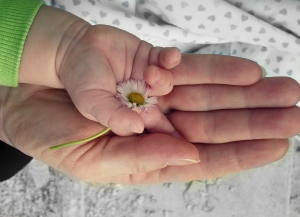 In 2005, it was estimated that for the first time in history, there are now more adults than children living with childhood heart defects. That sounds like good news to me, because it means that due to major advances in medicine over the past few decades, more than 90 per cent of babies born with congenital heart disease are now surviving into adulthood. What it also means, however, is that as these babies grow up, they need continued and careful monitoring as adult heart patients.
 For the freshly-diagnosed heart patient, the immediate and sudden change from “being well” to “recovering” cuts directly to the core of self-concept and self-esteem, according to
 Heart Sisters