
Chocolate-covered bacon, and other ways to alter your brain chemistry

chocolate bacon

by Carolyn Thomas  @HeartSisters

I am not making this up.  There is such a thing as chocolate-covered bacon. It’s apparently been around for years, featured at the Wisconsin State Fair and other fine culinary gatherings. Chocolate-covered bacon is the holy trinity of junk food: salt, fat and sugar, all in one divine morsel.  A heart attack on a plate.

The appeal of this concoction would be no surpise to Dr. David Kessler. The Harvard-trained doctor, lawyer, former Yale Medical School dean and commissioner of the U.S. Food and Drug Administration believes that this junk food combo – salt-fat-sugar – actually stimulates our brain to crave more.

Dr. Kessler’s book, The End of Over-eating, claims that foods high in salt, fat and sugar actually alter the brain’s chemistry in ways that compel people to over-eat. He told the Washington Post:

“Much of the scientific research around over-eating has been physiology – what’s going on in our body. The real question is what’s going on in our brain?” Continue reading “Chocolate-covered bacon, and other ways to alter your brain chemistry”
What overweight women may have in common with drug addicts

by Carolyn Thomas    @HeartSisters

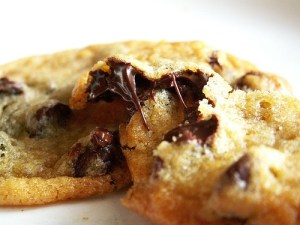
My daughter Larissa and I have sometimes marvelled at a very strange packaging concept: re-sealable bags of chocolate chips.   Are there actually people out there, we wondered, who open a bag of these chips, pour out only the 3/4 cup they need for their cookie recipe, and then put the re-sealed bag back into the cupboard?

The August issue of the American Journal of Clinical Nutrition will help to explain this odd phenomenon for us. Apparently, some women don’t scarf down the entire bag on the spot – just because it’s been opened! When researchers at the State University of New York at Buffalo gave similarly sinful snacks to both overweight and healthy-weight women, the healthy-weight women wanted less of the treat over time, but the overweight women kept wanting more.

In an earlier study, the same research team found that ‘food reinforcement’ (the term used to describe our motivation to eat) decreased in healthy-weight women but increased in overweight women when both groups were asked to consume large amounts of snack foods like M&M candies, potato chips or cookies for days at a time. Women in the overweight group shared characteristics like obesity and diabetes – both serious heart disease risk factors. Continue reading “What overweight women may have in common with drug addicts”