
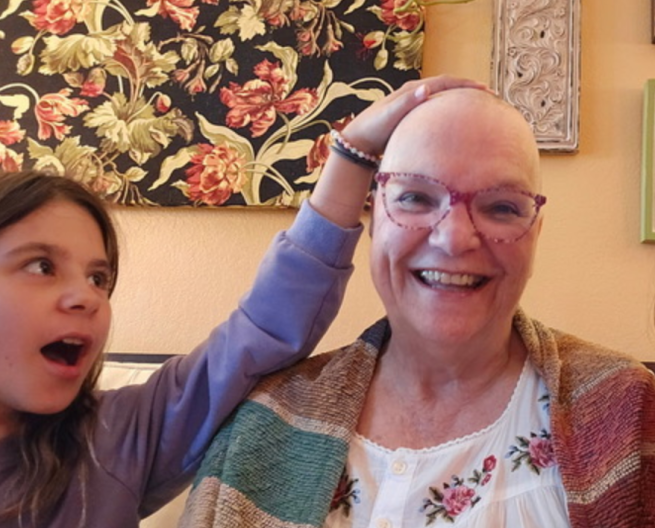
The freshly-diagnosed patient has plenty of opportunity to start thinking thoughts that are bizarre and often frightening. Any new life-altering medical condition (like the misdiagnosed widow-maker heart attack I survived back in 2008) can throw us off-balance, both physically and emotionally.
And hearing yet another new diagnosis will likely feel worse than any others. We rarely if ever see it coming. I’ve been learning this first-hand ever since April 1st when I was diagnosed (surprise!) with a malignant tumor in my right breast.
Learning about that new diagnosis (invasive ductal carcinoma) felt utterly surreal at first – mostly because cancer is so different from other diagnoses in two important ways:
Continue reading “Patients, twisted thinking and cognitive distortion”
 The freshly-diagnosed heart patient has plenty of opportunity to start thinking thoughts that are new, bizarre and often frightening. Any life-altering medical condition can throw us off-balance emotionally, but after a cardiac diagnosis, even the tiniest twinge of new chest pain can paralyze us. Is this something? Is it nothing? Should I call 911 again? As Australian cardiac psychologist (and more importantly, a heart patient himself) Len Gould likes to say: “Before a heart attack, every twinge is just indigestion. After a heart attack, every twinge is another heart attack!”
 The freshly-diagnosed heart patient has plenty of opportunity to start thinking thoughts that are new, bizarre and sometimes even frightening. Any life-altering diagnosis can throw us off-balance emotionally, but with heart disease, even the tiniest twinge of new chest pain can paralyze us. Is this something? Is it nothin
 Heart Sisters