Patient bloggers at healthcare conferences: ‘real’ journalists?

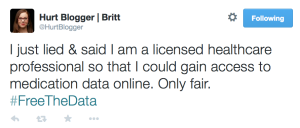
Like some of my most deliciously niggling inspirations these days, this one started on Twitter. Arthritis patient advocate, speaker and a Stanford University Medicine X e-Patient Scholar Britt Johnson tweeted this:
Screen Shot 2015-02-14 at 7.54.00 AM
To which patient advocate, speaker (and also a Stanford University Medicine X e-Patient Scholar Carly Medosch who blogs at Chronic Carly) responded:
 
Screen Shot 2015-02-14 at 6.45.09 PM
 
It was Carly’s observation that caused one of my eyebrows to flick skyward, unbidden.

Continue reading “Patient bloggers at healthcare conferences: ‘real’ journalists?”

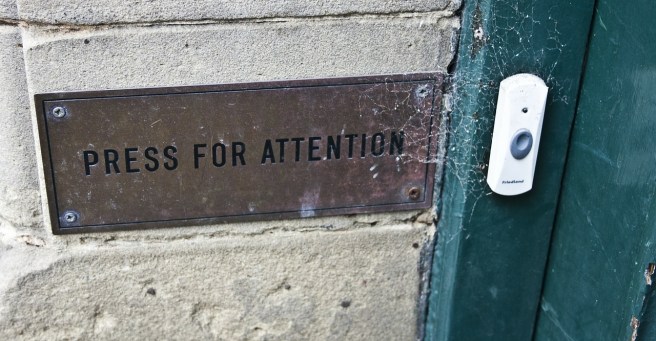
“I rang the bell again. No one came.”

by Carolyn Thomas    @HeartSisters

There are a number of issues that leaped out at me about the hospital story you’re about to read.  Let’s see how many of them you observe, too – and how many could have been prevented.  This story is told by Ann, an Australian heart patient whose cardiac journey began in 2007 when she was 51 years old. But over the years since then, she has continued to suffer debilitating cardiac symptoms almost every day.

Her symptoms include not just chest pain, but pain throughout her upper back, jaw, shoulder, neck or arm, occasionally with severe shortness of breath. Despite taking a fistful of daily heart meds and wearing a nitro patch to help manage pain, Ann is rarely able to sleep through an entire night without being awoken by these symptoms. And here’s why . . .
Continue reading ““I rang the bell again. No one came.””

“It’s no hobby. It is a vital service.”

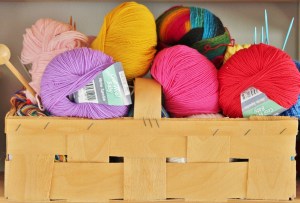
wool-480550_1280

by Carolyn Thomas   @HeartSisters

Hobby: häbē/ noun. an activity done regularly in one’s leisure time for pleasure. “Her hobbies are reading, knitting and gardening”

I’m guessing that those of us who have ‘graduated’ from the WomenHeart Science and Leadership Symposium For Women With Heart Disease (a training program held each fall at Mayo Clinic in Rochester, Minnesota) rarely consider our volunteer contributions as a “hobby” in the birdwatching/jewelry-making/focaccia-baking sense of that word.

We already know that our Mayo training gives us ‘street cred’.  The days we spent experiencing world-class “cardiology bootcamp” in Rochester opened doors that allow us to share what we’ve learned as community educators, media spokespersons or heart patient support group leaders. So far, over 600 WomenHeart ‘champions’ in the U.S. (and two of us here in Canada) have been trained to be “the boots on the ground” in the fight against women’s heart disease – our #1 killer. According to WomenHeart, 45% of the women who graduate from this annual training at Mayo have been credited with saving someone’s life.

But sometimes, we are smacked upside the head by those who simply have no clue about the difference between a volunteer and a hobbyist. Take, for example, this story from my heart sister, Leslea Steffel-DennisContinue reading ““It’s no hobby. It is a vital service.””

Were you “born to walk”?

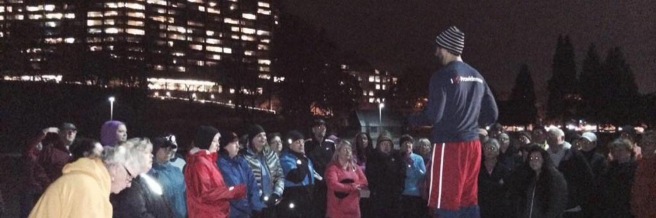
Dr. James Beckerman talks to one of his 'Heart To Start' groups in Portland
Cardiologist Dr. James Beckerman leads one of his ‘Heart To Start’ groups in Portland

by Carolyn Thomas    @HeartSisters

”  Physicians, get out your prescription pads and prescribe this book to every one of your heart patients. This encouraging, common sense and easy-to-read book deserves to be in the hands of all freshly-diagnosed heart patients and those who love them.”

That’s the little blurb I wrote for Oregon cardiologist Dr. James Beckerman’s book, Heart To Start.*  As explained in last week’s book excerpt published here, Dr. B believes that heart disease is essentially a sitting disease.  To rally against that, he embraces a profound belief that “exercise is medicine”  – and this is especially important for all of us heart patients. In fact, he believes that physical exercise is the least prescribed yet most effective heart treatment. Far too many of us, however, get little or no regular physical activity – particularly while recuperating from a cardiac event – and instead insist on doing something that just might be dangerous to our health: we sit.  

But Dr. Beckerman believes that what we most need to do is to move more. We were “born to walk”, he reminds us. And even if we weren’t born to walk, we sure weren’t born to be sitting around all day.   Continue reading “Were you “born to walk”?”