 by Carolyn Thomas ♥ @HeartSisters
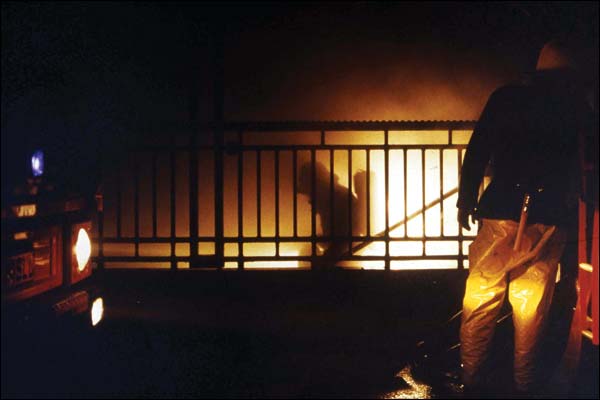
Dr. John Leach is one of the world’s leading experts on what’s known as survival psychology. He likes to tell a story about London’s King’s Cross underground station fire in 1987. As the fire spread, trains kept on arriving in the station, and hurried commuters headed right into the disaster.
Officials unwittingly directed passengers onto escalators that carried them straight into the flames. Many commuters followed their routines despite the smoke and fire, almost oblivious to the crush of people trying to escape – some actually in flames! Thirty-one people perished in the King’s Cross fire, and incredibly, the Underground staff never sprayed a single fire extinguisher or spilled a drop of water on the fire.
Dr. Leach, who teaches at Lancaster University, has a name for this phenomenon. It’s called the incredulity response. He explains that people simply don’t believe what they’re seeing. So they go about their business, engaging in what’s known as normalcy bias which is incredibly powerful and sometimes even hazardous. People can act as if everything is okay, and they underestimate the seriousness of danger. Some experts call this analysis paralysis.
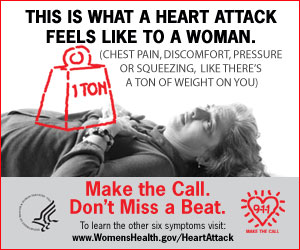
What he’s describing is precisely how I felt while undergoing two weeks of increasingly debilitating cardiac symptoms before being finally hospitalized. Although all signs clearly pointed to a heart attack – crushing chest pain, nausea, sweating and pain radiating down my left arm – I seemed fatalistically determined to go about my life acting as if everything was fine, just fine until – when symptoms became truly unbearable – I finally returned to the Emergency Department that had sent me home two weeks earlier with an acid reflux misdiagnosis. Continue reading “Denial and its deadly role in surviving a heart attack” →
Like this? Share it with others!


 Heart Sisters