
To: Dr. James M. Wright, MD PhD CRCP(C) Editor-in-Chief, Therapeutics Letter, Therapeutics Initiative: Evidence-Based Drug Therapy*, University of British Columbia, Vancouver, BC Canada
From: Carolyn Thomas, Heart Sisters
Dear Dr. Wright,
I’m a heart attack survivor and patient advocate who blogs about women and heart disease at Heart Sisters.
Recently, a well-known family physician who writes a syndicated medical column did a presentation on heart health to about 200 members of our local cardiac rehab alumni group. He told us about a new protocol to be followed at the first symptoms of a heart attack – one that’s apparently superior to the current “Call 911 and chew one full-strength aspirin” patient recommendation.
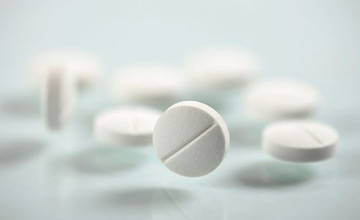
Instead, he favours something new that he called “Axe the Aspirin”. He waved a little plastic baggie with two pills in it as he spoke, adding that he carries this in his wallet at all times, “just in case”. What he was waving overhead was a mega dose of the anti-platelet drug clopidogrel (Plavix 600 mg – about nine times the standard therapeutic dosage that heart patients take) along with the statin/cholesterol drug rosuvastatin (Crestor 20 mg) – to be taken together at the first symptoms of possible heart attack. He told us, quite emphatically:
“We used to recommend aspirin, but this Plavix/Crestor combo is better!”
Continue reading “Taking aspirin at first sign of heart attack: good or bad advice?”

 There are few life events more stressful, in my considered opinion, than surviving a heart attack. Not only is the actual cardiac event a traumatic and overwhelming experience in itself, but what very few cardiologists tell us before they boot us out the hospital door is how debilitating the day-to-day angst about every little subsequent bubble and squeak can actually be. I can recall, for example, feeling virtually paralyzed with fear over unexpected chest pains following my heart attack (symptoms, I later learned from my cardiac nurse, that are often called “stretching pain” – common in recently stented coronary arteries). These symptoms turned out to be relatively benign – NOT the massive second heart attack I feared they signaled at the time.
