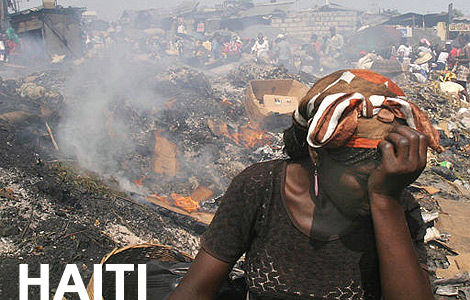
“We were forced to buy a saw in the market to continue amputations. We don’t have any more morphine to manage pain for our patients. It is like working in a war situation.” Dr. Rosa Crestani, MSF medical coordinator for Choscal Hospital, Port-au-Prince
Médecins Sans Frontières (also known as Doctors Without Borders) is the world’s leading independent international medical relief organization. MSF is now recruiting medical professionals for their stand-by roster of international volunteers for future deployment.
Médecins Sans Frontières was established in 1971 by a small group of French doctors who had worked in Biafra. When they returned home, they were determined to find a way to provide rapid and effective medical help for those caught in armed conflicts, disease epidemics, famine, and natural disasters – all with complete independence from political, economic and religious influences.
Before you apply to work in the field as a paid intern, a volunteer or a full-time employee of MSF, complete this MSF Self-Assessment Checklist to determine if international disaster response work is right for you.
Read this article from the Public Library of Science Medicine about MSF’s work in Haiti.
Finally, please consider making a generous donation today to help this amazing Nobel Peace Prize-winning organization in its vital work.
♥ ♥ ♥ ♥ ♥
NEWS UPDATE: February 9, 2010: MSF Now Plans For Management of Communicable Diseases in Haiti.
NEWS UPDATE: February 27, 2010 – Médecins Sans Frontières (Doctors Without Borders) medical teams have already arrived in Chile following the catastrophic earthquake that struck the country this past weekend. Find out more.
NEWS UPDATE: August 13, 2010 – Médecins Sans Frontières (Doctors Without Borders) is bringing in 200,000 litres of clean water every day to Pakistan‘s Swat Valley following massive flooding this month that has disrupted power to water treatment plants, meaning no access to safe, clean drinking water and increased dangers of waterborne disease to flood victims. “We have identified a water spring and in agreement with the local community, we are able to extract, filter, chlorinate and distribute the water,” said Azzura Dinca who is in charge of water and sanitation for MSF in Swat. Find out more.
NEWS UPDATE: May 10, 2011 – Médecins Sans Frontières (Doctors Without Borders) continues its work in northern Japan following the devastating earthquake and tsunami two months ago. As the local medical infrastructure stabilizes, MSF is shifting the focus of its intervention towards providing psychological assistance to particularly vulnerable survivors of the disaster, including elderly evacuees, single parents, and those with physical disabilities and chronic diseases. Find out more.
Like this? Share it with others!

 by Carolyn Thomas ♥ @HeartSisters