Lower heart attack risks with the right blood pressure meds – and more

by Carolyn Thomas  

High blood pressure (hypertension) is known as the silent killer because there are essentially no symptoms with this dangerous condition. If you take your medicine, you’ll feel fine. If you don’t take your meds, you’ll feel fine. That’s why up to 50% of us diagnosed with high blood pressure are what doctors call  “non-compliant – meaning we stop taking those prescribed meds.

This may be extremely dangerous, because patients with high blood pressure are at increased risk of stroke, cardiovascular disease and kidney disease. Women with high blood pressure experience a risk of developing heart disease that is more than three times higher than women with normal blood pressure

And if you’re a woman taking birth control pills and are also overweight, you’re especially at risk of developing high blood pressure. The World Health Organization estimates that high blood pressure is the leading risk of death and the second leading risk for disability worldwide. 

The best way to decrease this risk is to control blood pressure. Since the late 1970s, many guidelines recommend beta blockers, medications which lower heart rate and reduce blood pressure, as a first-line therapy against chronic high blood pressure or hypertension. In fact, beta blockers are among the most prescribed drugs in North America for the treatment of high blood pressure.

A recent study, however, suggests that beta blockers may not be as effective as first believed. But the surprising results suggest that no matter which medication you take, there is a better way to lower that blood pressure. Continue reading “Lower heart attack risks with the right blood pressure meds – and more”
Six great grains for boosting heart health


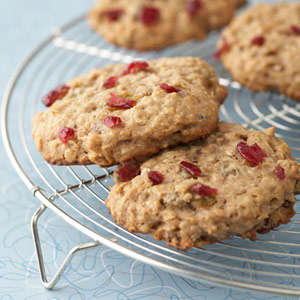
grain banana oat breakfast cookies

Which bread is better for your heart – whole grain or multi-grain?  If you correctly answered ‘whole grain’, you already know that the term ‘multi-grain’ just means that this product contains a variety of different kinds of flours that still may be heavily bleached and processed.

Cleveland Clinic, widely considered to be the top heart institute in North America, has some timely tips on how to introduce the six best heart-healthy whole grains into your daily menu, featured this month in Heart Healthy Living magazine.

  • #1 – Barleya delicious nutty taste and wonderful chewy texture along with high levels of soluble fibre that lowers LDL (bad) cholesterol
  • #2 – Brown Rice – sometimes an acquired taste if you’re used to eating that Minute Rice cardboard, but it’s loaded with Vitamin B1 and B6, fibre, zinc and niacin
  • #3 – Bulgur – sprinkle this healthy whole grain on salads for a boost of Vitamin B3 (niacin) that raises HDL (good) cholesterol
  • #4 – Flaxseed – terrific source of omega-3 fatty acids, iron and fibre when you add this to cereal or muffins; grind it first in your coffee grinder to increase benefits
  • #5 – Oats – please, no instant oatmeal! You might as well have a chocolate bar for breakfast. Rolled oats (slow-cooking or steel cut) can actually lower LDL (bad) cholesterol levels because they’re such a good source of soluble fibre. My Seattle friend Tony’s best tip: in the evening, add 1/3 c. slow-cooking or steel cut oats to one cup of water per person in a pot; bring to a boil and then immediately remove it from the stove, cover the pot and let it sit overnight.  Next morning, it’s ready to heat and enjoy – perfect every time.  Quicker, easier and better for you than the highly-processed packaged stuff.
  • #6 – Wheat germ – adds a crispy crunch to baked goods and casseroles

I’d also add quinoa (keen- wah) to this Cleveland Clinic list. It’s an ancient whole grain (but new to me!) that is my new favourite healthy ingredient for a pasta salad without the pasta.

And read on for a delicious whole grain way to start the day –  Banana Oat Breakfast Cookies

Continue reading “Six great grains for boosting heart health”

A heart patient’s guide to the three stages of chronic stress

gas gauge emptyby Carolyn Thomas    @HeartSisters

McGill University’s Centre for Studies on Human Stress at L’Hôpital Louis H. Lafontaine in Montréal is a remarkably helpful resource for those of you who are so chronically stressed day to day that you might be convincing yourself that this state of being is “normal”.

Anybody who has undergone ongoing chaos in the workplace, a family health crisis, a divorce, a death in the family, serious financial worries, too many deadlines, and many other realities can recognize the symptoms of chronic stress – but did you know that this low-grade stress is extremely damaging to our hearts?

In fact, the World Health Organization has predicted that stress-related disorders like heart disease and depression will soon be the top two leading causes of disability in adults. According to the Centre for Studies On Human Stress, there are three distinct stages of chronic stress.  See if any of these feel familiar:  Continue reading “A heart patient’s guide to the three stages of chronic stress”

Warning: ‘herbal valium’ aconite is dangerous for your heart

woman field offscreen green

This is a classic case where natural does not mean safe. Aconite (also known as aconitum, monkshood or wolfbane) is popularly known as ‘herbal valium’ for its ability to slow down the heart rate. Although the effectiveness of this ancient herb to treat some ailments isn’t disputed, the effectiveness level is so close to fatal toxicity that last week, according to Medical News Today, a U.S. government watchdog agency warned consumers of the cardiovascular dangers of taking any herbal medicines containing aconite.  All 109 species and seven hybrids of aconitum contain the alkaloids aconitine, aconine, ephedrine, and sparteine that may be toxic to the heart. There is no antidote. Continue reading “Warning: ‘herbal valium’ aconite is dangerous for your heart”