Which one’s right? Eight ways that patients and families can view heart disease

by Carolyn Thomas   ♥  @HeartSisters

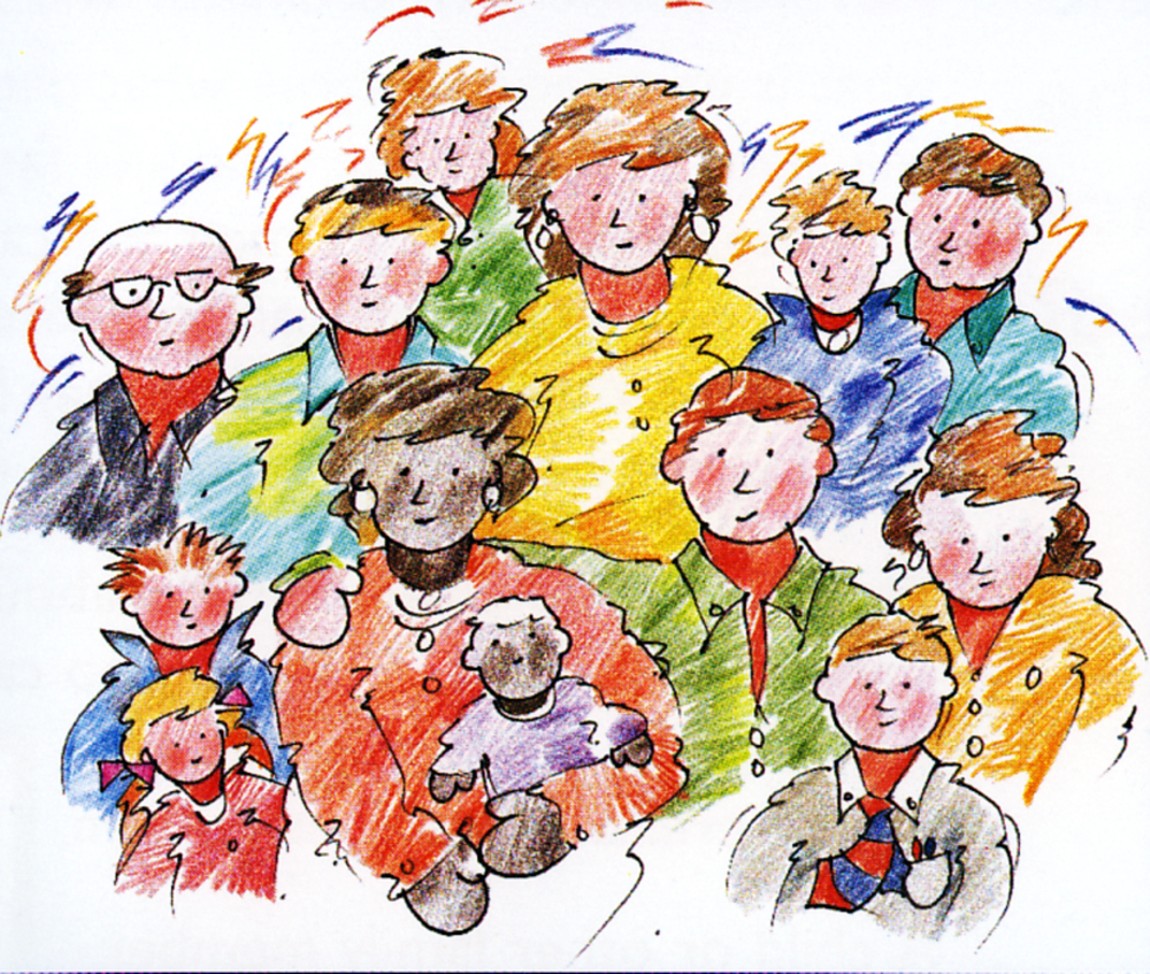
An interesting phenomenon that I used to observe in bereaved family members during my years working in hospice palliative care is the range of personal grieving styles, and the resulting conflicts over the “right way” to grieve.     Continue reading “Which one’s right? Eight ways that patients and families can view heart disease”

When the ‘wrong’ family member gets heart disease

by Carolyn Thomas   ♥  @HeartSisters

I’ve come to learn that a common reaction to a heart attack is others’ utter shock that this could happen to “YOU, OF ALL PEOPLE!”  Women in particular report reactions like this because, generally speaking, we’re used to being the ones who take care of others, and to being the strong glue that holds our family life and relationships together.

How dare we get sick?

Dr. Wayne Sotile, in his very useful book Heart Illness and Intimacy: How Caring Relationships Aid Recovery, talks about the “family scramble” that can happen when somebody in that family is diagnosed with heart disease.  And few things can heighten the family scramble, he claims, like the “wrong” family member getting sick.  Continue reading “When the ‘wrong’ family member gets heart disease”

Six personality coping patterns that influence how you handle medical crises

by Carolyn Thomas  @HeartSisters

As regular readers already know, I like to include the work of cardiac psychologist Dr. Wayne Sotile on this site, mostly because what he writes about the psychological challenges of heart disease and recovery rings so true for me since my own heart attack.

His 1992 book Heart Illness and Intimacy: How Caring Relationships Aid Recovery looks at the profound impact that the stresses of heart disease can have on patients, spouses and children.

The interesting chapter called The Personality Factor: Can We Change? explores how our personalities and coping patterns can often determine how we’ll react to a life-changing cardiac event.

Based on the 1987 pioneering work of Stewart and Joines on Transactional Analysis, Sotile outlines in this chapter the six basic coping patterns that seem to drive our perceptions, our behavioural choices, and our corresponding emotional reactions to both everyday life and to a chronic and progressive diagnosis like heart disease. He explains:

“These six personality drivers become especially influential in shaping our reactions during stressful times like a serious illness.”

I recognized myself in more than one factor on this list. The six personality coping patterns are:  Continue reading “Six personality coping patterns that influence how you handle medical crises”

Learning to live with heart disease: the fourth stage of heart attack recovery

by Carolyn Thomas  ♥  @HeartSisters

Let’s consider today the last of The Four Stages of Heart Illness as outlined by Dr. Wayne Sotile, a cardiac psychologist from North Carolina and author of the highly recommended book called Thriving With Heart Disease.  This book is a helpful guide for both survivors and their families on “how to heal and reclaim your lives”.

One important way to do this is to review the heart patient’s journey through a series of four “separate, identifiable stages” that may help you know what to expect along this journey.  (Links to the first three stages can be found at the bottom of this post).

Stage 4:  Learning to Live With Heart DiseasePatient and family have accepted the diagnosis and committed themselves to living with the illness, not in spite of it.

Dr. Sotile reminds us that most survivors take between 6-12 months to get somewhat comfortable with their new, heart-healthy way of life (that may not mean totally comfortable, but on the way to comfortable).

But even after that first year, you won’t be completely adjusted to your new way of life. As heart disease lasts a lifetime, so does its adjustment period for both patients and their families.

It’s a big transition to your new normal. Remember that a large part of the transition is learning to talk to the people you love and live with about what you’re going through, what you feel for one another, and what life is really about.  Continue reading “Learning to live with heart disease: the fourth stage of heart attack recovery”