Thirty heart-healthy ways to love your veggies (and fruit!)

by Carolyn Thomas

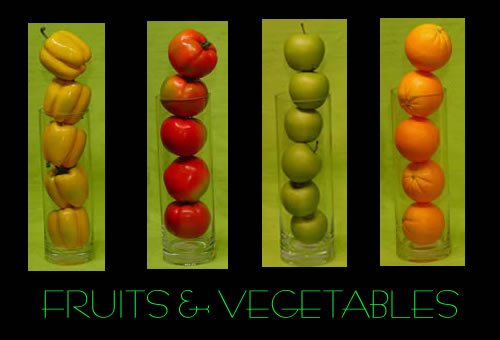
We’re supposed to eat 2-4 servings of fruit plus 3-5 servings of vegetables every day. It’s a full-time job, especially for those of us raised in Ukrainian families where dill pickles were considered an ideal veggie serving. Fewer than one third of us eat even those lower limits.

And we’re fussy eaters.

Potatoes, for example, represent 44% of our fresh vegetable diet here in Canada. That doesn’t includes a significant increase, according to Statistics Canada, in our consumption of processed potatoes in the form of potato chips and frozen potato products. But carrots, lettuce, onions and tomatoes represent just 27% of the Canadian diet of fresh vegetables, a decrease of 9% compared to 2005 numbers. On the other hand, we’re apparently eating three times more sweet potatoes now compared to 20 years ago. Wonder if that’s entirely due to the growing popularity of sweet potato fries . . .

The editors of Consumer Reports Healthasked:How exactly are you supposed to get healthy produce servings into your life?” and then came up with these 30 great tips.   Continue reading “Thirty heart-healthy ways to love your veggies (and fruit!)”

Cats or dogs: which pet is better for your heart health?

by Carolyn Thomas  @HeartSisters

I adopted my little Lily*, world’s cutest and most affectionate feline, three months after my heart attack. My daughter Larissa, who helped us pick out Lily at the shelter, gave me strict instructions about the kind of cat needed for cardiac recovery: a calm and snuggly lap cat (quite unlike the psycho-special needs-high-anxiety – yet adorable – Lucy who had been my last pet).

About 38% of Canadian households now include a cat like Lily, while 35% of us are dog owners.

But apparently, owning a cat may also reduce your risk of cardiovascular disease by nearly one-third, researchers told delegates to the International Stroke Conference recently. Their study findings provoked a mixed reaction from heart experts and veterinarians.  And probably dog lovers, too.   Continue reading “Cats or dogs: which pet is better for your heart health?”

Heart screening scans – or scams?

by Carolyn Thomas  @HeartSisters

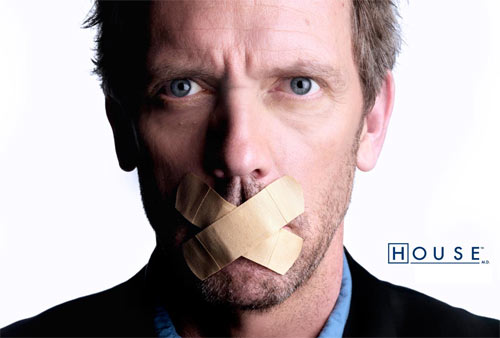
In the words of the cantankerous Dr. Gregory House of TV fame, CT calcium scan screening tests are

“…useless because you could probably scan every one of us and find 50 doo-dads that look like tumours”.

That’s not quite what those who are promoting these screening scans tell us. They tell us that we really should be forking over $600-$3,000 to them in order to get a CT (computed tomography) calcium scan to screen for possible disease.

I’ve been seeing more and more ads marketing full-body or heart screening scan services at for-profit clinics, shopping malls, church basements, and even in tractor trailers hauling imaging machines. One ad for a CT heart screening scan promised that it can:

“…detect calcium deposits (or the hardening of plaque) in the arteries of the heart. This is useful information if determined early, prior to a heart attack. With this knowledge, a person may be empowered to change his or her lifestyle and slow the progression of heart disease or even prevent a heart attack.”

“May be empowered to change”?  Why would you have to spend $600 – $3,000 to “empower” yourself to start improving your lifestyle? Here’s a cheaper alternative: send me 50 bucks now and I’ll empower you right upside the head to quit smoking, eat more veggies, and do more exercise from this day forward.

Continue reading “Heart screening scans – or scams?”

A foreshortened future

heart cloud

by Carolyn Thomas   @HeartSisters

Cardiac psychologist and heart attack survivor Dr. Stephen Parker recently described a symptom of Post Traumatic Stress Disorder that rang a bell for him after his own cardiac event. The PTSD symptom is called “a sense of a foreshortened future“. In other words, after a traumatic event – in this case, a heart attack – the patient “does not expect to have a career, marriage, children, or a normal life span.”  As Dr. Steve tells his own story of this symptom:

“Three months after the heart attack, I went to Home Depot to buy something for the house. I walked inside, saw the plethora of nice things to make a nice house, and started feeling extremely depressed.

“What was the point? I knew I was going to die within a short time.   Continue reading “A foreshortened future”