
Why your heart needs work – not rest! – after a heart attack

by Carolyn Thomas   ♥   @HeartSisters
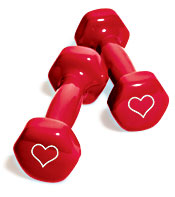
After surviving a heart attack, I couldn’t wait to start my 3-month cardiac rehabilitation program so I would just start feeling “normal” again. But when I showed up for my first assessment, I was disappointed by the cardiac nurse’s recommendation that, because of ongoing issues, I should wait two months until I felt much stronger before starting. A Canadian study from the University of Alberta now suggests, however, that earlier might just be better for many.

For best results in most clinically stable patients after a heart attack, these new findings suggest that early exercise as well as prolonged exercise may well be the key to the best post-heart attack outcomes.  Continue reading “Why your heart needs work – not rest! – after a heart attack”
His and hers heart disease

heart man womanby Carolyn Thomas  @HeartSisters

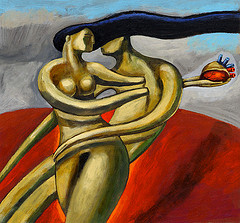
Should we invent a new name for women’s heart disease? A review on the topic of gender differences in heart disease reminds us what many heart attack survivors already know: when it comes to heart attacks, women are not just small men.

Standard cardiac treatment typically focuses on obstructive coronary artery disease, which up to half of women may not ever experience. In obstructive coronary artery disease, the large blood vessels in the heart can become blocked through atherosclerosis, a condition in which fatty cholesterol streaks build up in the arteries.

In fact, the Framingham Risk Score, based on a study of over 5,000 participants (and their descendents) followed since 1948, is the traditional measure of heart disease risk, yet this scale mistakenly classified almost 90% of women as low risk – which is hard to get your brain wrapped around given that more women than men die each year from heart disease.

But in small vessel disease, the narrowing of the very small arteries in the heart means they can’t expand properly. As a result, your heart muscles don’t get an adequate supply of oxygen-rich blood. This inability to expand is called endothelial dysfunction. This problem may cause your small vessels to become even smaller when you’re active or under emotional stress. The reduced blood flow through the small blood vessels causes chest pain and other debilitating symptoms similar to those you’d have if you were having a heart attack. Continue reading “His and hers heart disease”

Deep thoughts about death and heart disease

red poppies

by Carolyn Thomas  @HeartSisters

This week, I’ve been reading Yale Medical School professor Dr. Sherwin Nuland’s amazing book How We Die – which is not nearly as grim as it sounds.  In fact, it’s an endlessly fascinating read. For heart attack survivors, the concept of death can become more interesting than we ever imagined it to be.

We live in a death-denying society. People don’t want to think about death, much less talk about it. As Dr. Nuland writes, death to most of us occurs “in sterile seclusion cloaked in euphemism and taboo”. We don’t even like using the ‘D’ word. Instead of ‘dying’, we prefer to “pass on”, or “pass away” or “go to be with Jesus”. Continue reading “Deep thoughts about death and heart disease”