How we adapt after a heart attack may depend on what we believe this diagnosis means

by Carolyn Thomas     @HeartSisters

There are at least 12 commonly used measurement tools available to the medical profession that look at how patients navigate “the search for meaning in chronic illness”. Clinical tools like the Psychosocial Adjustment To Illness Inventory or the Meaning of Illness Questionnaire have been used on cancer and AIDS patients, as well as others living with chronic disease. But research, including this study, found that limiting factors in the success of these 12 tools included “the infrequent use of some of the instruments clinically or in research.”

I can’t help but wonder why these readily available assessment tools are not being administered routinely to patients who have been freshly diagnosed with heart disease – a serious medical crisis that begs to be examined for its influence on our “psychosocial adjustment” to it. I only learned about these tools two years after my own heart attack.

This lack of medical attention to the profound psychological impact of a cardiac event is disturbing. As Dr. Gilles Dupuis of the Université du Québec and the Montréal Heart Institute reported in the Canadian Journal of Cardiology, post-traumatic stress disorder following heart attack is a largely under-diagnosed and unrecognized phenomenon that can actually put survivors at risk of another attack. Continue reading “How we adapt after a heart attack may depend on what we believe this diagnosis means”
Heart screening scans – or scams?

by Carolyn Thomas  @HeartSisters

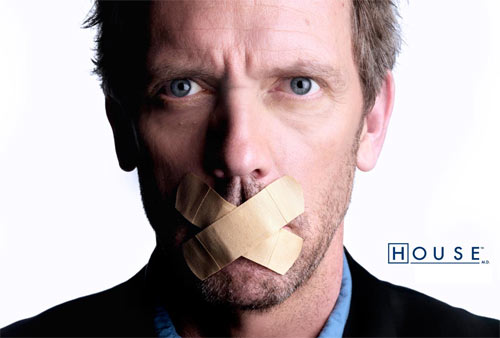
In the words of the cantankerous Dr. Gregory House of TV fame, CT calcium scan screening tests are

“…useless because you could probably scan every one of us and find 50 doo-dads that look like tumours”.

That’s not quite what those who are promoting these screening scans tell us. They tell us that we really should be forking over $600-$3,000 to them in order to get a CT (computed tomography) calcium scan to screen for possible disease.

I’ve been seeing more and more ads marketing full-body or heart screening scan services at for-profit clinics, shopping malls, church basements, and even in tractor trailers hauling imaging machines. One ad for a CT heart screening scan promised that it can:

“…detect calcium deposits (or the hardening of plaque) in the arteries of the heart. This is useful information if determined early, prior to a heart attack. With this knowledge, a person may be empowered to change his or her lifestyle and slow the progression of heart disease or even prevent a heart attack.”

“May be empowered to change”?  Why would you have to spend $600 – $3,000 to “empower” yourself to start improving your lifestyle? Here’s a cheaper alternative: send me 50 bucks now and I’ll empower you right upside the head to quit smoking, eat more veggies, and do more exercise from this day forward.

Continue reading “Heart screening scans – or scams?”

Say what? Do patients really hear what doctors tell them?

by Carolyn Thomas  @HeartSisters

headHEARTDuring my heart attack, I was taken immediately from the E.R. to the O.R. for emergency treatment for a blocked left anterior descending coronary artery.  But, overwhelmed and terrified, I knew nothing of what was about to happen to me, even though I have a vague memory of the cardiologist explaining something to me before I was taken upstairs.

I could see his lips moving and I could hear sounds coming out of his mouth, but he could have been speaking Swahili.  I don’t think I was capable of comprehension at the time. Everything I know about surviving what’s known as the widowmaker heart attack, I learned much, much later.

I’m not alone. This study suggested that most heart patients believe that their cardiac interventions have far greater benefits than they actually do. Continue reading “Say what? Do patients really hear what doctors tell them?”

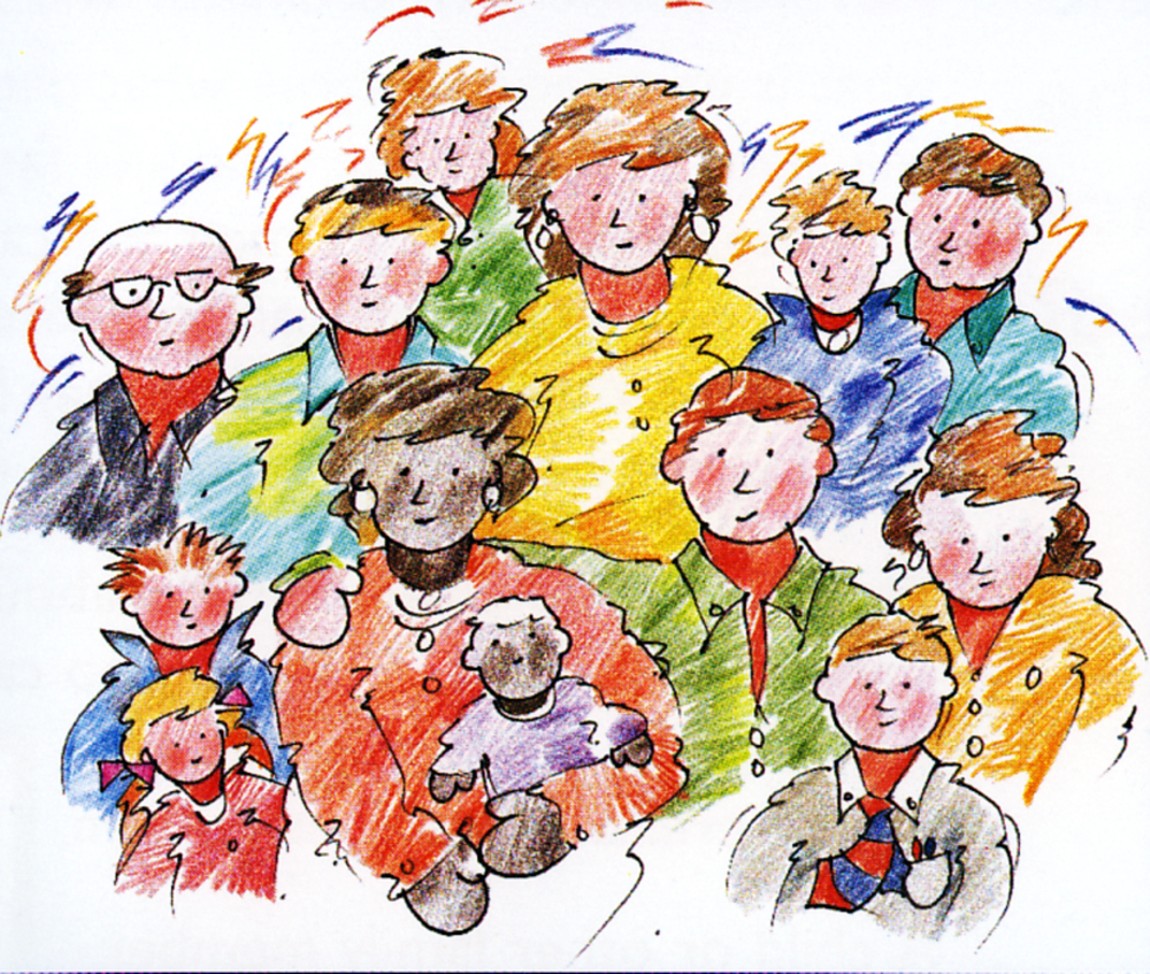
Which one’s right? Eight ways that patients and families can view heart disease

by Carolyn Thomas   ♥  @HeartSisters

An interesting phenomenon that I used to observe in bereaved family members during my years working in hospice palliative care is the range of personal grieving styles, and the resulting conflicts over the “right way” to grieve.     Continue reading “Which one’s right? Eight ways that patients and families can view heart disease”