Heart patients can avoid food poisoning by avoiding these foods entirely

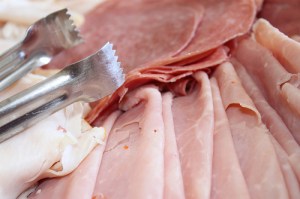
ham plate

I used to be a happy person. But then I took a FOODSAFE course.  This certification course is recommended in my province for anybody who handles, prepares or serves food.  It’s very educational, but once you’ve watched those ominous “What Went Wrong?” course videos (about hapless party guests dropping like flies from eating tainted crême caramel), you can become just a wee bit paranoid about foodborne illnesses, often for the rest of your natural life.

That’s why the following basic list of foods to avoid is extremely important.

Food poisoning occurs when you eat food that contains harmful bacteria, parasites, or viruses. It can be severe and sometimes fatal. In fact, The American Society of Clinical Oncology website warns:

 “Foodborne illnesses can be particularly severe if a person has a weakened immune system from cancer treatment or chronic illness like heart disease, or is very old, very young, or pregnant.”

Food can become contaminated when someone infected with a virus (often a norovirus) or other ‘bug’ handles the food. Raw foods are a common cause of foodborne illness. Proper cooking can destroy bacteria, but they can grow even on cooked food if left out too long. Some bacteria, such as listeria, can grow even on foods stored in the refrigerator over time.

That’s what happened last summer when listeriosis killed 22 people of the 57 affected by eating tainted cold cuts produced at a Maple Leaf meat processing plant in Toronto. Continue reading “Heart patients can avoid food poisoning by avoiding these foods entirely”

Top 10 hazardous foods in your kitchen


 42-15654460

‘Roundup Ready’ soybeans? Franken fats? High-pesticide oils? Food that’s the colour of Windex? Neurotoxic flavour enhancers?  Sounds like dinner to me. Retired dentist and healthy food advocate Dr. Susan Rubin rates the foods in our kitchens as fitting into one of four categories:

  • beneficial
  • useful
  • useless
  • hazardous

susan rubin photoDr. Rubin’s list of common but hazardous food ingredients is frightening – but required reading.  “Why do I use a strong word like hazardous?” she asks. “Because I remember the label on my mom’s cigarettes when I was a small child: The Surgeon General has determined that cigarette smoking may be hazardous to your health. If the food lobbies weren’t so rich and powerful, I bet you’d see warning labels like that on foods containing these ingredients! In my system, a food product is hazardous if it contains any hazardous ingredients.”  She urges a ‘zero tolerance’ policy on these.
Here’s the basic Top 10  list, but you must go immediately to her excellent website to learn more. 

Keep reading to see her Top 10 List

Artery-clogging trans fats banned in all B.C. restaurants today


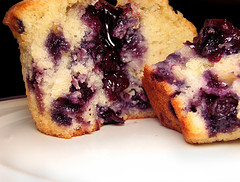
muffins blueberry

Good news for foodies here at home: British Columbia became the first Canadian province to restrict trans fat in restaurant food this week, but as critics point out, the restrictions on the unhealthy fat won’t apply to packaged food sold at grocery stores.

Trans fats are found in things like cake and muffin mixes, croutons, cookies, taco shells, frying oils and margarine. “We want healthier food choices to be the easier choice,” said Ida Chong, BC’s Minister of Healthy Living and Sport, in a statement released on September 29th. “Consumers won’t see or taste the difference in the meal they’ve ordered, but with restrictions on industrially produced trans fat, they will be eating foods that have been prepared using healthier ingredients,” said Chong.

Trans fat comes in two forms. One form is naturally occurring in ruminant meat, such as beef or lamb as well as dairy products. The other is industrially produced, in partially hydrogenated oils, margarines and shortenings, and hidden in prepared foods like donuts, croissants and other baked goods, according to provincial health officials.

The industrially produced trans fat increases our risk of coronary heart disease by raising levels of low-density lipoprotein known as bad cholesterol and lowering levels of good cholesterol, leading to blocked coronary arteries and heart disease.  Continue reading “Artery-clogging trans fats banned in all B.C. restaurants today”

“Wouldn’t I be silly to make it myself?”

soup campbells vintage

by Carolyn Thomas  ♥  @HeartSisters

“Go to all that bother.. when Campbell’s is so homey and nourishing?  Not me!”

“When I was a little girl, I remember we always made our own vegetable soup.  Mother used to devote just hours to to it. But one day when she was rushed, she tried Campbell’s Vegetable Soup.  My dad’s not so easy to please, but he ate a bowlful, and then another.  Since then, Mother has served Campbell’s… and Dad’s been as pleased as a kid!

“I’m married now myself and — well, we young-marrieds all feel that same way.  I mean why bother to make vegetable soup when Campbell’s Vegetable Soup is so wonderful — a grand-tasting beef stock and all those 15 garden vegetables.  Why, every time I serve it, my husband says: ‘Gosh, darling, this is really swell!’  And what better music can a wife hear than that?  Now I ask you!”

After I picked myself off the floor where I’d fallen down laughing, I pondered what effect this magazine ad from the 1940s actually must have had on women who read it.  And for those concerned about heart health, the widespread marketing of highly processed, high-fat, high salt, low-fibre, mass produced industrial food was a grim development. Continue reading ““Wouldn’t I be silly to make it myself?””