Your health care decisions: don’t worry your pretty little head over them

by Carolyn Thomas     @HeartSisters

My mother, like many women of her generation, would never dream of telling her doctor that she wants a second medical opinion, even if she suspected that her doctor’s treatment or advice was lacking. This means that, if he were negligent or incompetent or even downright dangerous – which he’s not, by the way –  my mother would rather die than get a second opinion. To ask for one would be rude and insulting to her physician, and that just would never happen.  Whatever her doctor says  goes unquestioned. He is the boss of her health care.

She’s not alone. Many patients choose to simply defer to their physicians, even when that physician is not providing comprehensive information about diagnosis or treatment options. As orthopedic surgeon Dr. Howard Luks described some of his colleagues:

“Time is short for doctors, they often have biases, and many assume patients don’t want the burden of overwhelming information.”

Before my own heart attack, I could have been one of those patients, too. When my doctor ordered lab tests for me, for example, I figured that if the results were bad, I would be phoned.  When I was prescribed drugs or procedures, I figured these were necessary – or my all-knowing physician wouldn’t have mentioned them to me. Otherwise, I was much too busy to think much about my medical decisions.

And now when I ask the women in my heart health audiences to raise their hands if they know their blood pressure numbers, it’s common to see at least 1/3 of the group who have absolutely no clue.  And when I ask them if they know their cholesterol numbers, the awareness level is even worse.

A survey of women over 40 done by The Federation of Medical Women of Canada (called the LIPSTICK Survey) reported that women spend more time thinking about their weight than they do about their hearts. Only 10 per cent of women surveyed, for example, knew their personal cardiac risk factors, versus 64 per cent who know how much they weighed in high school. Continue reading “Your health care decisions: don’t worry your pretty little head over them”
Why aren’t female heart attack survivors showing up for cardiac rehab?

by Carolyn Thomas  @HeartSisters

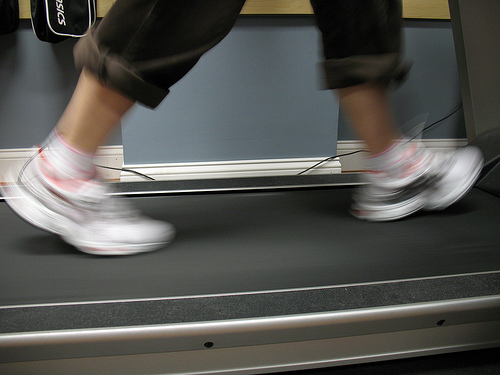
After a cardiac event, a 2-6 month program called cardiac rehabilitation can help survivors gradually improve their physical fitness, learn about nutrition, meet other heart patients, and get support to quit smoking,  lose weight or make other heart-healthy lifestyle changes to improve heart health. Cardiac rehab can reduce mortality by 25-40%, reduces angina symptoms, increases functional capacity, improves lipid (cholesterol) levels, reduces smoking by 25%, enhances psychological well-being, and improves exercise tolerance for all – including the elderly, frail or people with congestive heart failure.

Cardiac rehabilitation really works!  We know that completing a program of cardiac rehab can be very effective in reinforcing improved habits.  A 2001 University of Calgary research team lead by Dr. Kathryn King found that six months after finishing cardiac rehab, participants demonstrated higher health maintenance expectations and overall behaviour performance scores – and these indicators continued to improve over time.

But when I did a 4-month stint at cardiac rehabilitation after my own heart attack, I was vastly outnumbered by male participants, and was also one of the youngest in the group by at least two decades. Where did all the women go?  Continue reading “Why aren’t female heart attack survivors showing up for cardiac rehab?”

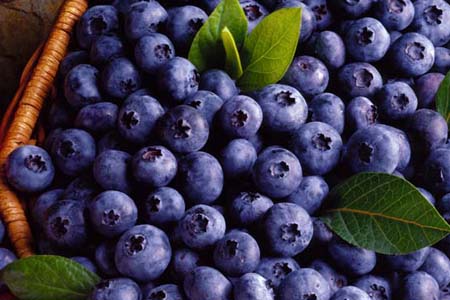
My favourite brunch recipe for heart-healthy Blueberry Almond French Toast

by Carolyn Thomas  @HeartSisters

The best thing about this heart-smart brunch recipe for eight is that you make it the night before. Ten minutes of easy prep time, about eight hours of overnight sitting time in the fridge, and 50 minutes of baking time next morning, filling your kitchen with that irresistible vanilla-cinnamon aroma while you’re off showering or making coffee.

And did I mention that it also looks and tastes fabulously delicious? Perfect for feeding a crowd of hungry (or slightly hungover) houseguests!  

Continue reading “My favourite brunch recipe for heart-healthy Blueberry Almond French Toast”

The ‘Merry Christmas Coronary’ and the ‘Happy New Year Heart Attack’

by Carolyn Thomas   @HeartSisters

Did you know that December 26th (celebrated as our Boxing Day holiday in the UK, Australia, Germany, Greenland, New Zealand, Hong Kong, and here in Canada) is historically one of the most dangerous days of the year for people vulnerable to cardiac problems?

And many of these Merry Christmas Coronaries will hit people who didn’t even realize they were at risk when they unwrapped their gifts the day before.

Dr. Samin Sharma, director of interventional cardiology at Mount Sinai Medical Center in New York, says:

“This time of year is notorious for heart attacks, heart failures and arrhythmias.”

It’s widely accepted that the holiday season tends to see increased numbers of cardiac events. One study by researchers at the University of California, San Diego and Tufts University found that heart-related deaths increase by 5% during these holidays. Another study found that daily visits to hospitals for heart failure increased by 33% during the four days after Christmas.

Anecdotally, cardiologists often report that their hospital Emergency Departments stay relatively quiet on Christmas Day itself. Then, come December 26th, they see a surge of cardiac traffic. Continue reading “The ‘Merry Christmas Coronary’ and the ‘Happy New Year Heart Attack’”