
by Carolyn Thomas ♥ @HeartSisters
Dr. Lisa Rosenbaum writes in the New England Journal of Medicine about a friend who is worried about her father since two of his sisters have recently died following strokes. She asks her friend:
“Is he on aspirin?”
“Oh, heavens, no,” the friend replies. “My parents are totally against taking any medications.”
“But why?”
“They don’t believe in them.”
Curious about what she calls this instinctive non-belief, a commonly observed reluctance to take the medications their physicians recommend (aka non-compliance or the slightly less patronizing non-adherence), Dr. Rosenbaum wanted to understand how patients feel about taking cardiac medications. The consequences of not taking one’s meds can be deadly, yet almost half of all heart patients are famously reluctant to do so.(1) Dr. Rosenbaum, a cardiologist at Boston’s Brigham and Women’s Hospital, wondered: Are there emotional barriers? Where do they come from? Can we find better ways of increasing medication adherence if we understand these barriers?*
So she interviewed patients who’d had a myocardial infarction (heart attack) – first at the time of the initial cardiac event, and again months later. Their answers fell into five distinct themes that might be surprising to doctors feeling frustrated by their non-compliant patients. Continue reading ““I’m just not a pill person” – and other annoying excuses” →
Like this? Share it with others!

 For the freshly-diagnosed heart patient, the immediate and sudden change from “being well” to “recovering” cuts directly to the core of self-concept and self-esteem, according to Dr. Wayne Sotile. He offers a surprisingly familiar list of seven sudden changes commonly observed after a cardiac event. When thinking back on the new reality of my own early post-heart attack days, I was able to tick off his list, point by point. If this had been a midterm exam, in fact, I’d score a perfect 7/7. On his list of seven stressors that newbies often face, how many ring true for you, too? Continue reading “Do you fear change? Then don’t have a heart attack”
  There’s an old joke about a woman who is successfully losing weight by following a very strict diet. But one day, her hubby returns home to find her sitting at the kitchen table finishing off a Hershey chocolate bar. He says to her: “Honey! You’ve been doing so great on your diet until now! How could you eat that chocolate bar?”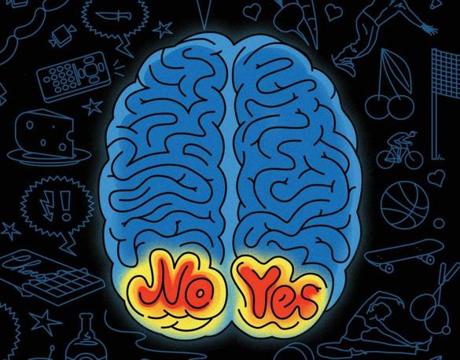
 Heart Sisters