
What women with heart disease can learn from “pinkwashing”

by Carolyn Thomas  @HeartSisters

In this month of all months, in Pinktober, in the holy month of All Things Pink out there, author and cancer patient Mary Elizabeth Williams dared to post a brave if not downright shocking perspective in Salon she called The Smug Morality of Breast Cancer Month.

She included this jibe at a pink ribbon campaign that she describes as an increasingly pervasive branding opportunity”:

“Perhaps it’s time to consider what this glut of pink says about our attitudes about the meritocracy of disease, and the ways in which we dispense compassion.

This year lung cancer will kill triple the number of people that breast cancer does. Ovarian, cervical and prostate cancer will kill more individuals than breast cancer. And alcoholism, addiction and depression will this year continue to kill not just via the overt channels of overdose and suicide, but in their brutal toll on overall health.”

And let’s not forget to add to Mary Elizabeth’s deadly list heart disease, the #1 killer of women.  It was only after my own heart attack that I learned heart disease kills more women than ALL forms of cancer combined.  But targeting any disease as a “branding opportunity” is not about being anti-pink.  Instead, as Mary Elizabeth Williams warns us:

“We run the risk of ennobling those with certain sicknesses while stigmatizing others.”

Continue reading “What women with heart disease can learn from “pinkwashing””
Heart screening scans – or scams?

by Carolyn Thomas  @HeartSisters

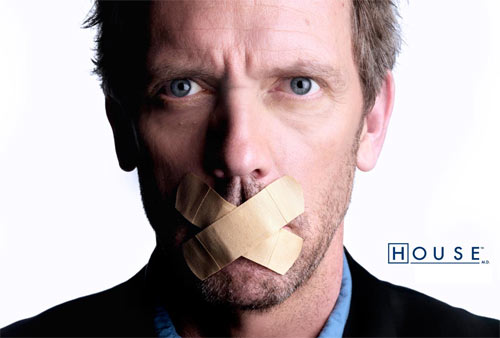
In the words of the cantankerous Dr. Gregory House of TV fame, CT calcium scan screening tests are

“…useless because you could probably scan every one of us and find 50 doo-dads that look like tumours”.

That’s not quite what those who are promoting these screening scans tell us. They tell us that we really should be forking over $600-$3,000 to them in order to get a CT (computed tomography) calcium scan to screen for possible disease.

I’ve been seeing more and more ads marketing full-body or heart screening scan services at for-profit clinics, shopping malls, church basements, and even in tractor trailers hauling imaging machines. One ad for a CT heart screening scan promised that it can:

“…detect calcium deposits (or the hardening of plaque) in the arteries of the heart. This is useful information if determined early, prior to a heart attack. With this knowledge, a person may be empowered to change his or her lifestyle and slow the progression of heart disease or even prevent a heart attack.”

“May be empowered to change”?  Why would you have to spend $600 – $3,000 to “empower” yourself to start improving your lifestyle? Here’s a cheaper alternative: send me 50 bucks now and I’ll empower you right upside the head to quit smoking, eat more veggies, and do more exercise from this day forward.

Continue reading “Heart screening scans – or scams?”

A foreshortened future

heart cloud

by Carolyn Thomas   @HeartSisters

Cardiac psychologist and heart attack survivor Dr. Stephen Parker recently described a symptom of Post Traumatic Stress Disorder that rang a bell for him after his own cardiac event. The PTSD symptom is called “a sense of a foreshortened future“. In other words, after a traumatic event – in this case, a heart attack – the patient “does not expect to have a career, marriage, children, or a normal life span.”  As Dr. Steve tells his own story of this symptom:

“Three months after the heart attack, I went to Home Depot to buy something for the house. I walked inside, saw the plethora of nice things to make a nice house, and started feeling extremely depressed.

“What was the point? I knew I was going to die within a short time.   Continue reading “A foreshortened future”

Say what? Do patients really hear what doctors tell them?

by Carolyn Thomas  @HeartSisters

headHEARTDuring my heart attack, I was taken immediately from the E.R. to the O.R. for emergency treatment for a blocked left anterior descending coronary artery.  But, overwhelmed and terrified, I knew nothing of what was about to happen to me, even though I have a vague memory of the cardiologist explaining something to me before I was taken upstairs.

I could see his lips moving and I could hear sounds coming out of his mouth, but he could have been speaking Swahili.  I don’t think I was capable of comprehension at the time. Everything I know about surviving what’s known as the widowmaker heart attack, I learned much, much later.

I’m not alone. This study suggested that most heart patients believe that their cardiac interventions have far greater benefits than they actually do. Continue reading “Say what? Do patients really hear what doctors tell them?”