Mary Maxwell: “How old age just sort of crept up on me . . .”

“This is the first time I’ve ever been old. And it just sort of crept up on me,” explains 72-year old Mary Maxwell as she delivers the invocation before the annual dinner at an Omaha seniors facility. At first, her presentation starts like a normal little prayer, but it soon takes a hilarious turn when she hijacks the microphone for a more personal chat with God about the topic of growing old. With the laser-like timing of a professional stand-up comic,  she talks about common aging issues  – like random hair growth. “I remember the time I reached to brush a hair off my lapel,” she deadpans. “And then I realized it was attached to my chin…”

Mary shines a very funny light on the foibles of aging, to the absolute delight of her live audience, as well as over 3 million YouTube viewers so far. Here’s the 7-minute video called “A Reminder That Laughter is The Best Medicine”. It’s from the Caregiver Stress website hosted by Home Instead Senior Care Services.   Sit back, enjoy Mary Maxwell, and then forward this link to the people you love. Mary’s unique message and unforgettable humour will be good for their hearts – and their souls.

You can also download a copy of the poem Blessed In Agingthat Mary reads at the end of her invocation.
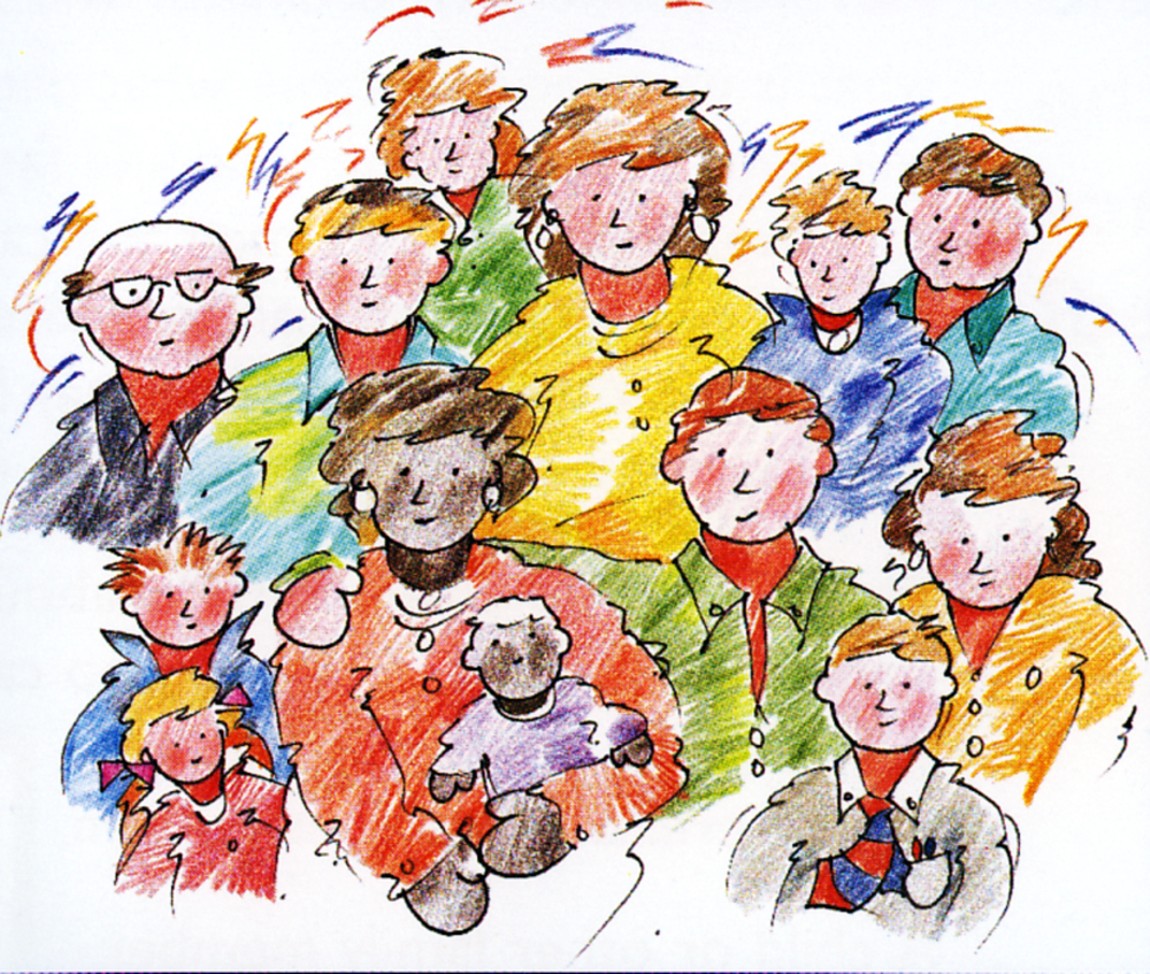
Which one’s right? Eight ways that patients and families can view heart disease

by Carolyn Thomas   ♥  @HeartSisters

An interesting phenomenon that I used to observe in bereaved family members during my years working in hospice palliative care is the range of personal grieving styles, and the resulting conflicts over the “right way” to grieve.     Continue reading “Which one’s right? Eight ways that patients and families can view heart disease”

My love-hate relationship with my little black box

by Carolyn Thomas    @HeartSisters

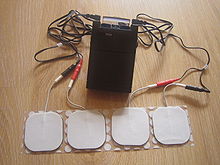
Every morning, I clip it onto my belt, or tuck it into a hip pocket.  I very carefully attach its sticky little electrode pads onto the skin just over my heart, tucking their long black wires under my clothing. Lately, I also have to hold the electrodes in place on my skin with surgical tape because they’re starting to lose their stickiness after so much daily wear. I turn on the black box at my waist, and adjust its two knobs to the correct power levels. I feel a prickly little buzz pulsating across my chest.

It’s called Transcutaneous Electrical Nerve Stimulation (TENS), and it involves electrical impulses called neuromodulation to treat the chest pain (angina) of Inoperable Coronary Microvascular Disease (MVD) – a disorder of the smallest of the coronary arteries (too small to stent, too small to bypass).

My portable TENS unit is about the size of an average cell phone. You may know the much larger version of this machine if you’ve ever had physiotherapy treatments following a muscle injury.  The only wounded muscle it’s working on for me now, however, are those in my heart. Emerging cardiac research is showing that, just as the TENS machine works on improving blood flow, reducing inflammation and speeding up healing for an injured shoulder or knee, it may bring the same benefits to heart patients with MVD like mine.

But I do have a love-hate relationship with my little black box.  Continue reading “My love-hate relationship with my little black box”

Is this a “revolution” in med school education?

by Carolyn Thomas  @HeartSisters

After my heart attack, while I was deep in the throes of a truly crippling depression, my doctor referred me to a cognitive behavioural therapist for help. She was an extremely perky person, and used to say things to me like: “I have a great idea! Why don’t you sign up for a really interesting night school course at the college?”  I remember looking back at her and thinking: “You have absolutely no clue.”  If only I’d had the energy, I would have thrown a heavy object right at her head…

I could scarcely motivate myself to even brush my teeth every morning, so how on earth would I manage the registration process for this ‘really interesting course’, never mind actually getting myself out the door to attend night school? 

That’s the kind of suggestion you might make to a perfectly healthy person, and it told me instantly that this therapist had no real comprehension of how debilitating post-heart attack depression can actually be. See also: Healthy Privilege: When You Just Can’t Imagine Being Sick

That’s why I was so pleased to learn about a Canadian university’s innovative new mentorship program that – besides teaching health care students using traditional textbooks, labs and lectures – will link health mentors (adult volunteers actually experiencing chronic illness like heart disease) with teams of students from several health care faculties starting this fall. First year students with the Dalhousie University Health Mentors Program (all from the Faculty of Health Professions, Dalhousie Medical School and the Faculty of Dentistry) will meet four times a year with their assigned health mentors to ask questions like: