

The “emotional labour” of living with heart disease

by Carolyn Thomas  ♥  @HeartSisters

“My hubby is stuck with me for another 15 years as long as I keep following doctor’s orders.”

“I told my family that I now had a pig valve in my heart – but I was disappointed when the doctor told me I couldn’t keep the bacon.”

“I am determined to outlive my husband – because I want to clean out his garage!”

Heart patients often use humour* like this to distract themselves from the high levels of stress and fear often associated with a life-altering diagnosis like heart disease – such as distressing symptoms, upcoming surgery, diagnostic tests, or even the ongoing awareness of a significantly increased risk of future cardiac events.  So reports Nicholas Lockwood, whose research focused on how heart patients use humour to help them cope with their condition – but ended up showing some surprising results.  Continue reading “The “emotional labour” of living with heart disease”
One Grain More! Les Miz meets gluten-free

.

From the brilliant (and allergic) Michael Bihovsky comes this musical parody of Les Misérables on the plight of finding allergen-free food-like substitutes.

Since its release in July 2012, “One Grain More” has been hailed as “The funniest nutrition video ever made” and “…a must, must, must watch!”

So you must, must, must watch this now. Then send it to all your gluten-free friends . . .

.

Q: How have you managed this kind of allergic drama?

.

Have you ever been in Cahoots?

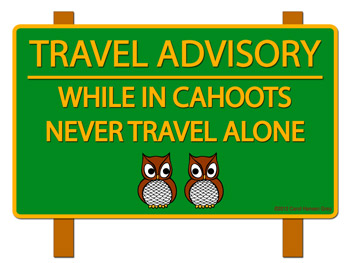
InCahoots-RoadSign2I have been in many places, but I’ve never been in Cahoots. Apparently, you can’t go alone. You have to be in Cahoots with someone.

I’ve also never been in Cognito. I hear no one recognizes you there.

I have, however, been in Sane. They don’t have an airport; you have to be driven there. I have made several trips there, thanks to my friends, family and work. I live close so it’s a short drive.   Continue reading “Have you ever been in Cahoots?”

Talking my language

.

Ah, the joys of (mis)communication! Consider, for example, these real-life chart notes written about hospital patients  in the U.K. : Continue reading “Talking my language”